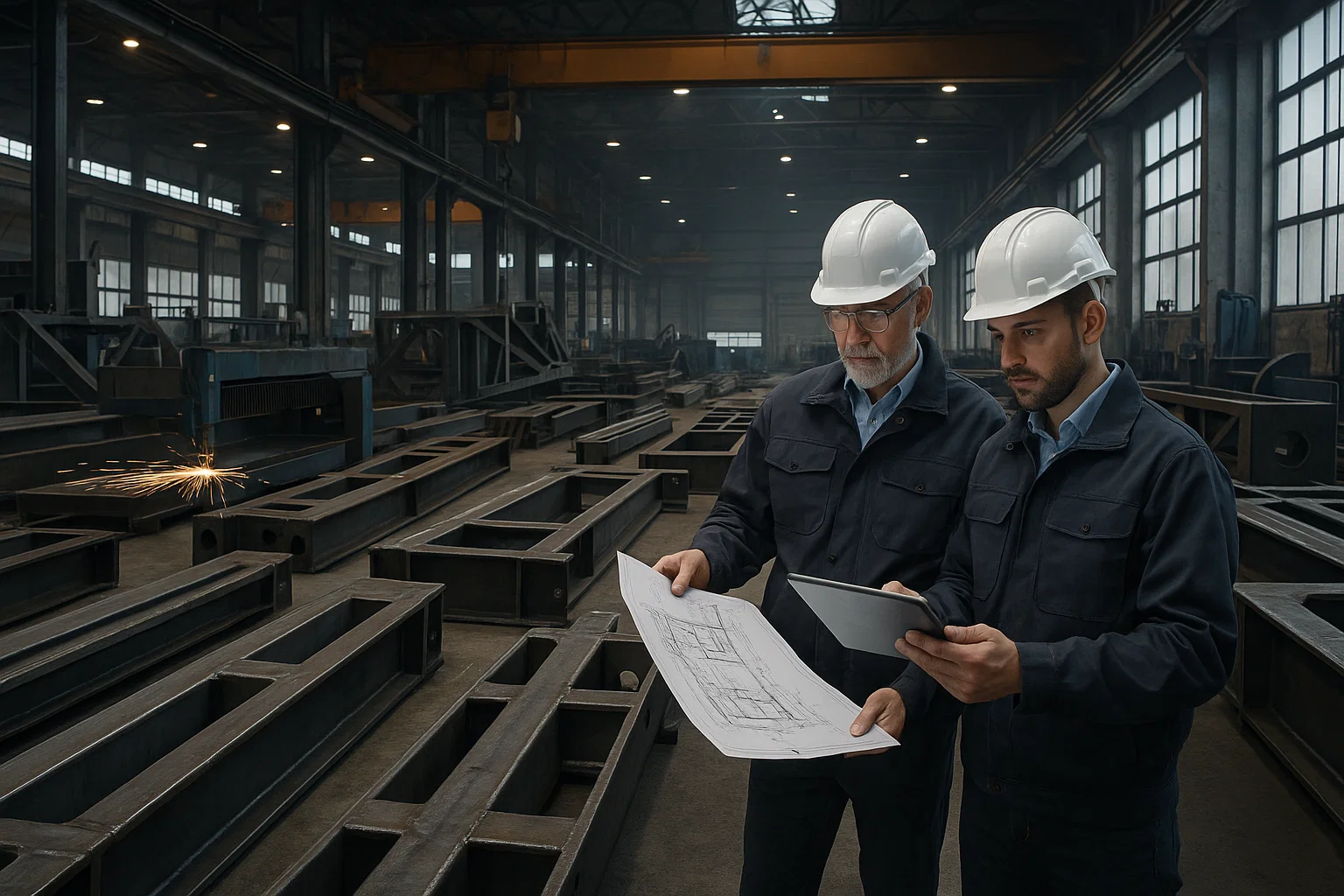
Though thousands of metal shops operate in the UK, most are not capable of large-scale metal fabrication. This is a specialised field, requiring specialised equipment, engineering expertise, and precision processing. Heavy metal fabrication takes place on large-format cutting tools, enormous presses, and robotic welders.
Singleton Engineering has what it takes to supply large-scale metal-fabricated components to support such projects. We specialise in tailored mild steel, stainless steel, and aluminium solutions for large-scale projects. As a bespoke steel manufacturer, we design and manufacture every component to customer specifications. Our team of trained engineers has years of experience with high-tech machines and equipment, like fibre laser cutters. The team applies this experience to the management and control of the in-plant process.
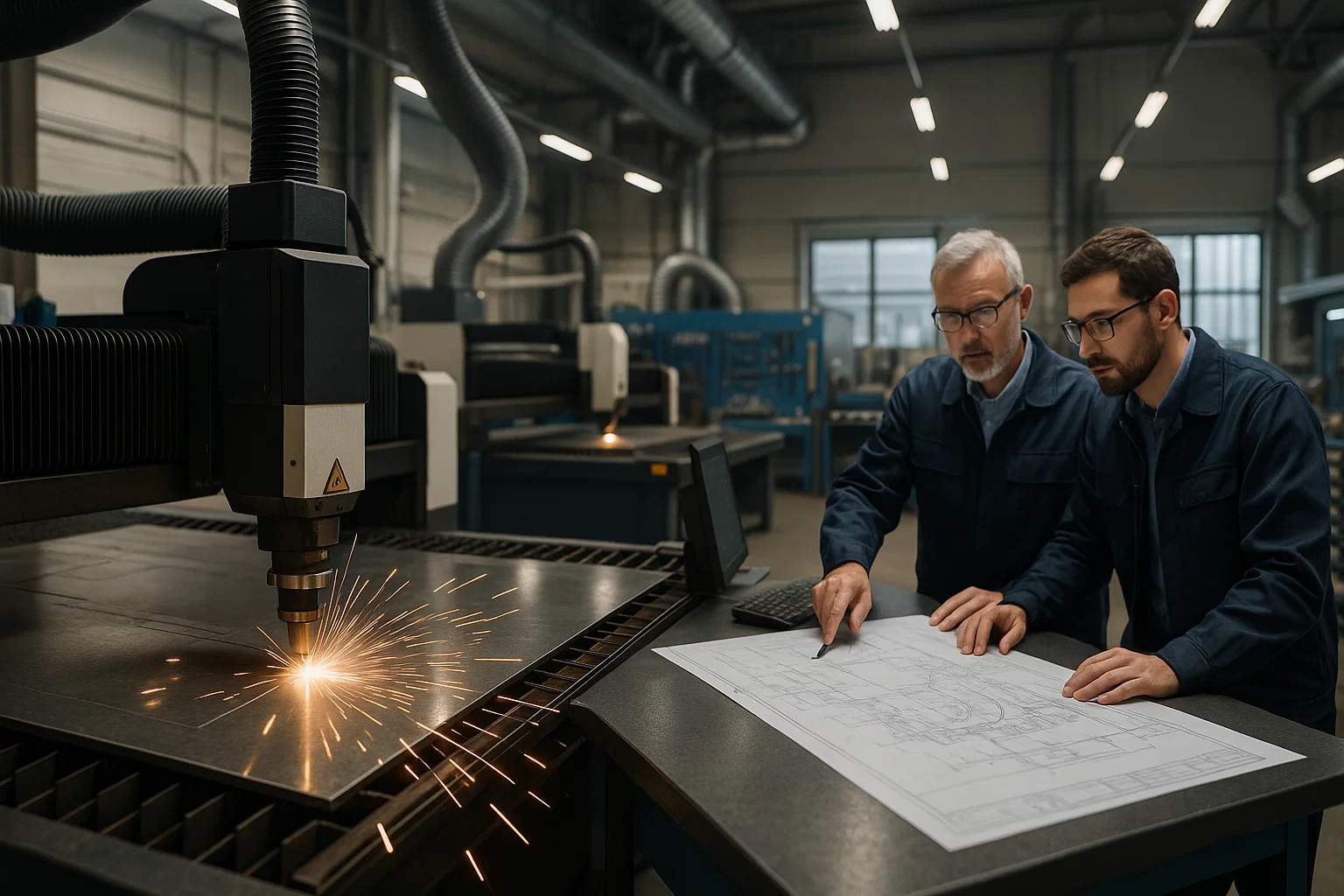
The Singleton Engineering Design, Laser Cutting, and Metal Fabrication Process
When you come to us for help with large-scale component requirements, our staff can create detailed drawings from a sketch or even a sample component. If you already have a CAD drawing, we’ll use yours.
Our team of mechanical engineers can also help you with the metal design, reviewing the specifications and layout to ensure that it meets your needs. Our clients come from industries as diverse as construction, manufacturing, and infrastructure, all seeking our advanced capabilities and ability to produce large-scale metal components.
By loading Computer-Aided Design specifications directly into CNC profiling and plasma cutting machines, customers receive precisely fabricated components of the highest quality on short lead times. This is also where our wider CNC expertise plays a role, supported by processes similar to those described in our guide, CNC Profiling Explained: The Backbone of Modern Fabrication
The correct choice of metal alloy is critical to the eventual success of the project. Large-scale CNC machining centres shape the component with a precision not possible when left to human skill.
While we don’t have a galvanising or powder coating plant on-site, we have supply partners that galvanise or powder coat components on our behalf. So, our customers receive a completed product delivered across the country.
What is Large-Scale Metal Fabrication?
Large-scale fabrication in the metal industry is all about turning large-scale metal blocks, tubes, and beams into highly engineered components that support heavy loads. Industries like mining, construction, manufacturing, and infrastructure use these components for various infrastructure projects.
A Highly Engineered Complex Industry
The sheer size and complexity of large-scale fabrication ensure its place as a highly engineered complex industry. Materials in these industries include steel plates and beams, which are generally much thicker and harder to handle than those used in smaller components.
In heavy fabrication, material weight is measured in tons, and factories that make components from these oversized input materials must have specialised machines that can handle this bulk.
Material Selection
Material selection is an essential element in safe and effective heavy fabrication. Very often, the job demands non-corrosive materials, like stainless steel or high-strength carbon steel. Sometimes, specialised alloys used for heat, pressure, or chemical resistance are the order of the day.
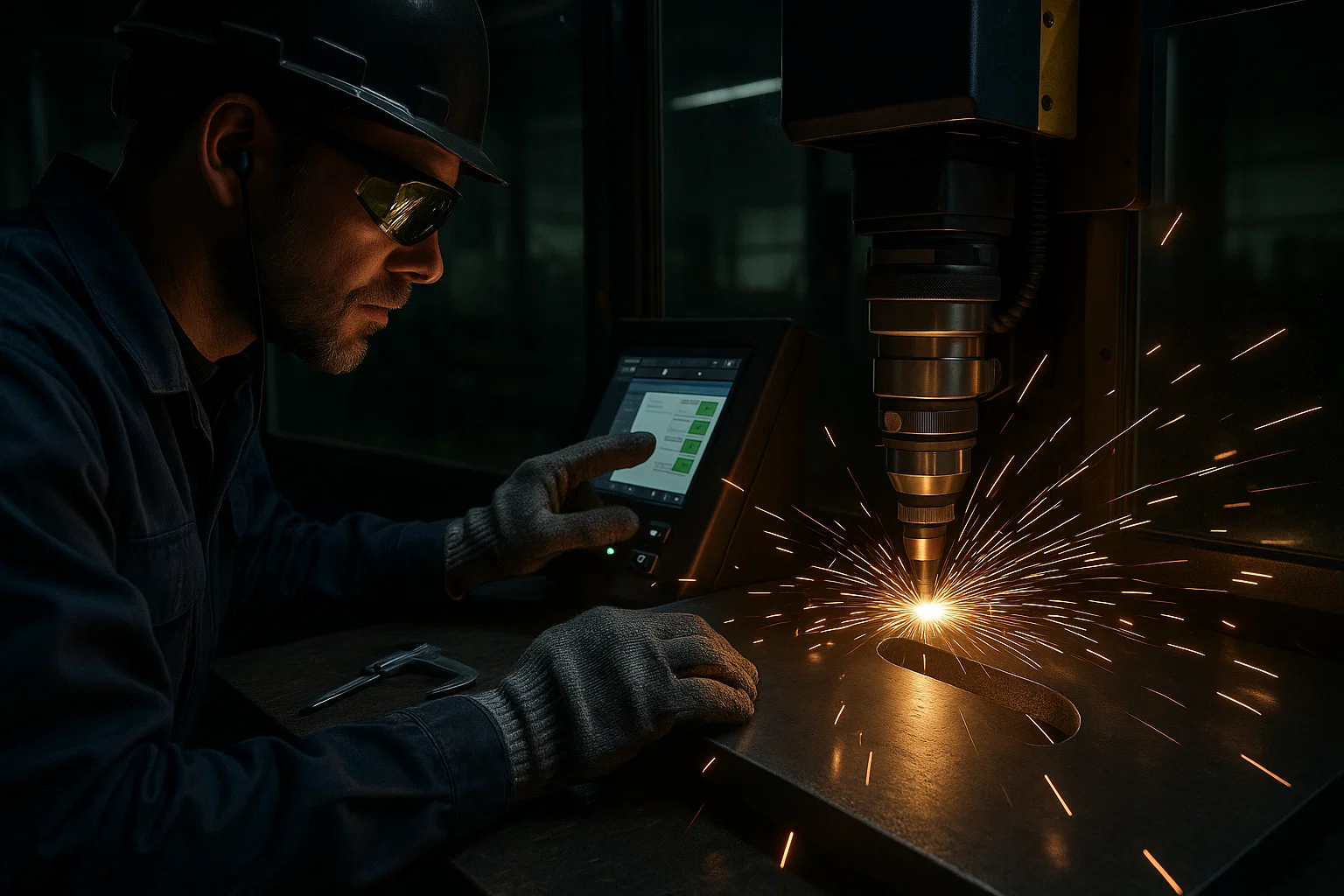
Highly Skilled Workers Meet Strict Tolerances On Laser Cutting Machines
In this environment, mistakes are costly, so precision components must meet strict tolerances. Skilled fabricators with specialist knowledge in welding codes and stress performance operate high-performance machines to attain the required quality.
The objective is engineering precision. When a fabricated assembly supports production infrastructure or high-level walkways, there is no place for failure. Each component must achieve a perfect fit and cannot fail under any circumstances.
In a heavy component plant, fabrication isn’t just a workshop activity; it’s a controlled engineering process. Every component has a set of design calculations and stringent tests. Traceability and uncompromising quality standards ensure safety and longevity.
Heavy Fabrication Processes
Heavy fabrication comprises a sequence of technical processes that transform industrial steel into large, robust structures. Each step in the process is as important as the next, and each affects the eventual safety and durability of the final product.
The products that come from the process can’t fail under pressure, fatigue, or extreme weather. Core heavy fabrication processes include:
Precision Cutting and Profiling
Most projects start with the precise cutting of thick plates, beams, and tubes. In this process, industrial CNC laser cutters, plasma, and oxy-fuel machines carve through thick sections of steel. The systems are automated. They cut to exact dimensions from CAD drawings, ensuring clean-cut edges and tightly controlled tolerances.
Accurate cutting is vital because it sets up every downstream operation, ensuring easier and more accurate welding, machining, and assembly.
Specialised Welding
Welds in heavy industry must carry immense loads without cracking or bending. Specialised welding procedures and powerful equipment ensure the end product’s safety. Only coded welders, qualified in advanced welding techniques, can take on this task. Welds are often the points of most stress in a structure, so they must be rigorously inspected and proven through non-destructive testing. The wider principles behind weld performance and NDT are outlined by global experts such as TWI’s technical knowledge centre
Bending, Rolling, and Forming
Advanced, heavy-duty rolling and forming machines create the curved frames and large structured supports required for heavy plant infrastructure. Industrial presses and rolling machines apply tons of force to shape thick steel.
Calibrated machinery run by skilled operators ensures each curve perfectly matches those on the engineered drawings. Even a slightly offline bend can compromise an entire assembled structure.
Machining for Fit and Performance
Many components need precise machining after they have passed through welding and forming. Skilled craftsmen use large lathes, milling machines, and boring equipment to polish surfaces and drill bolt holes. Tight tolerances ensure accurate assembly.
Protective Finishing
Many unfinished metals simply won’t survive in some of the hostile environments to which they are exposed. Specialist corrosion-resistant paint and galvanising will extend the equipment’s service life in harsh conditions. These coatings protect the metal against rust, abrasion, heat, chemicals, and impact.
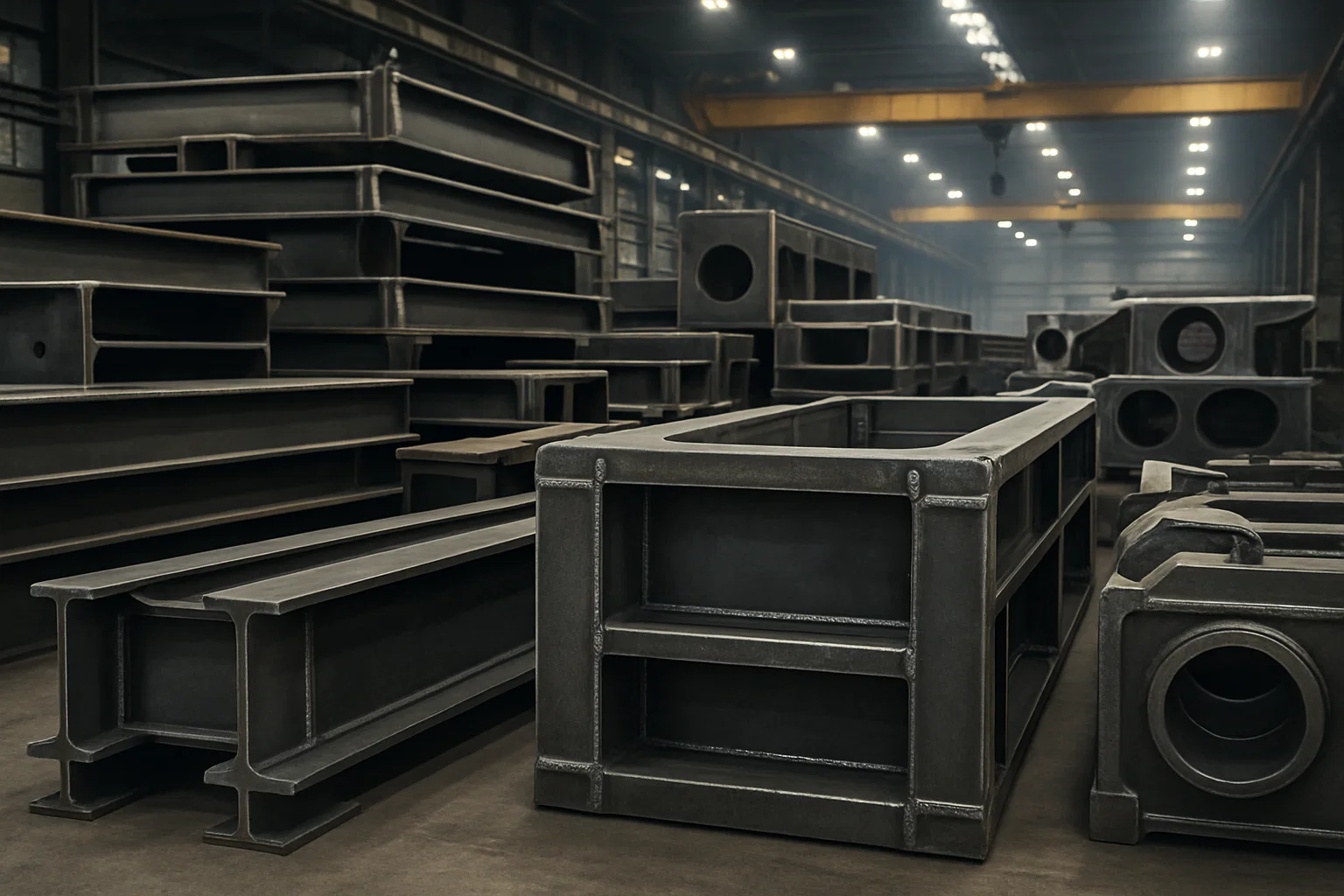
Singleton’s Heavy Components are Built to Last
Factories, transport systems, and industrial plants only run effectively when every component is precisely fabricated and engineered to last. Singleton’s mastery of these processes ensures that every project is built to withstand the pressures of real-world heavy industry. The company also provides protective finishing systems through supply partners.
Engineering Safe and Reliable Equipment
Engineering for large-scale projects must, by necessity, focus on components that can withstand the constant demands of heavy loads and abrasive conditions without cracking, deforming, or putting the workers or equipment at risk. In such environments, engineering knowledge and process excellence are equally important. Singleton Engineering ensures that your infrastructure is safe and durable through advanced methods and attention to detail. Here’s how we do it:
Calculating Strength for Real-World Conditions
Industrial infrastructure faces major stresses. These include weight loads, vibration, impact, temperature fluctuation, and impact. It is these stresses that inform the calculation behind every structure and component.
Engineers must decide on the appropriate steel grade, thickness, reinforcement, and joint design. These differ because the stress exposure differs according to where and how the component will operate. A lifting frame, for example, must cope with changing loads, while a pressure tank must handle high pressure and chemical exposure.
The design team uses modelling and simulation to test the design in the conditions under which it will operate.
Material Traceability and Certification
Steel and alloys used in heavy industrial work must be certified for strength, chemical properties, and manufacturing origins. Traceability means every plate, beam, or weld filler is traceable back to its source. The process ensures that no weak or unverified material is inadvertently processed. Traceability protects safety and ensures project compliance, especially in critical sectors like the food industry and maritime engineering.
High-Standards Welding and Inspection
Welds often take the most strain in fabricated structures, which is why only coded welders can do the work. Inspection standards are also much higher and include ultrasonic, magnetic particle, and dye penetrant tests. These non-destructive tests verify the weld strength without cutting or damaging the components. Problematic welds are immediately repaired to prevent hidden weaknesses that could later collapse.
Compliance with Industry Standards
Heavy equipment and structural components must comply with national and global standards such as ISO-9001. Compliant companies must ensure that every project is designed for performance, certified as safe, and approved for use in the environment for which it was designed. More guidance on fabrication and welding standards can be found in our internal resource, How to Choose the Right Fabrication Company for Industrial Projects.
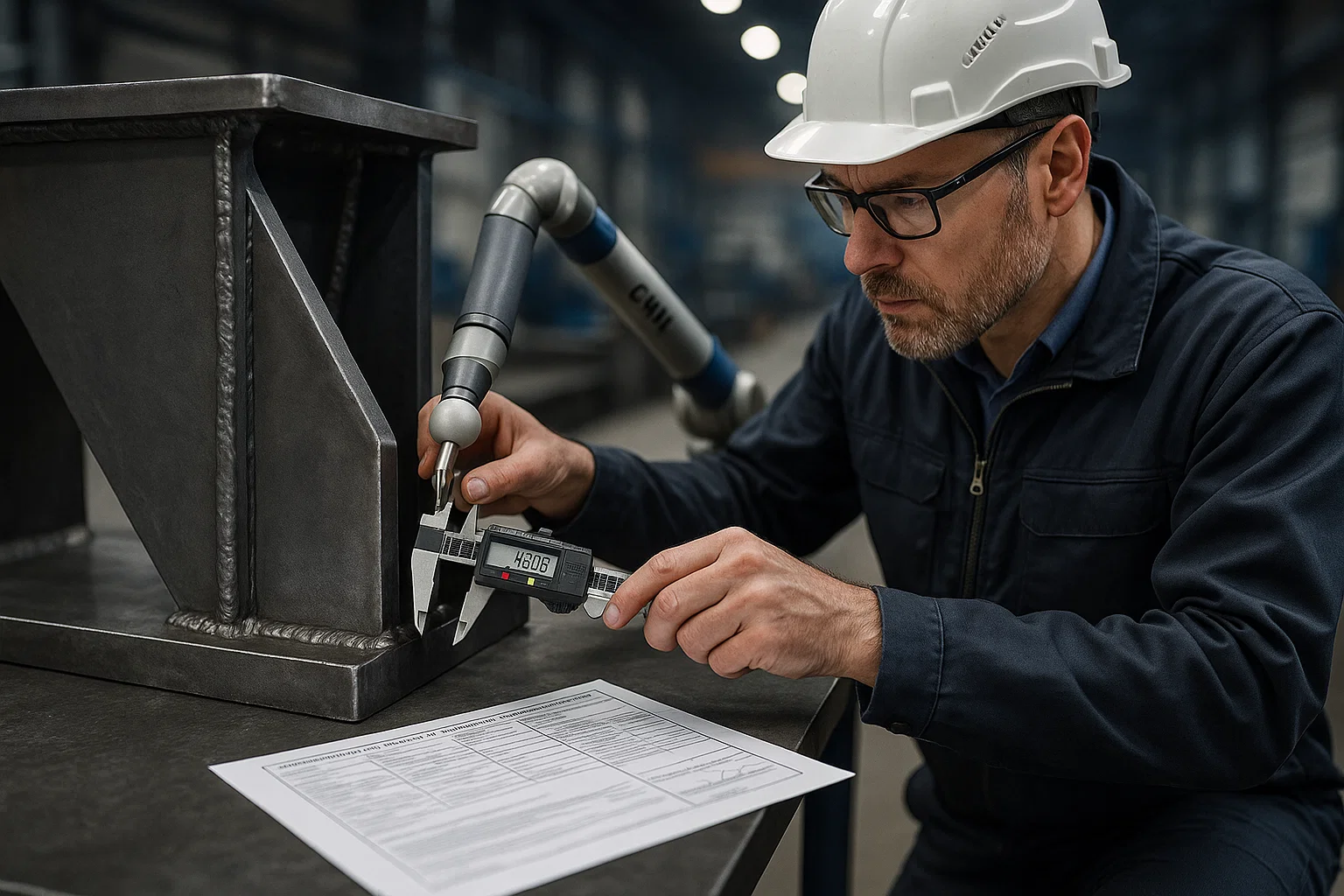
At Singleton Engineering, Reliability is Built In
At Singleton Engineering, we build reliability into the process. Every project, though unique, goes through the same process of engineering calculations, certified material sourcing, rigorous inspection, and regulatory compliance.
The Future of Metal Fabrication
The metal fabrication industry is driving innovation with smarter, safer, and highly efficient machinery. Forward-thinking companies, like Singleton Engineering, stay abreast of developments and adopt new technologies to more accurately meet modern demands with less material waste.
Modelling Real-Life Challenges
One of the biggest technological shifts is the move to more advanced design and simulation software. Engineers can use these to model environmental factors, like stress loads, heat exposure, and metal fatigue, to understand working conditions before making the parts. This information helps improve the product by adjusting parts in various ways, such as removing unnecessary weight and choosing different materials.
Advanced Materials
Materials are also advancing, thanks to lighter composites, abrasion-resistant metals, and stronger alloys. New materials give metal fabricators more options for meeting customer needs. Modern materials are more durable. They reduce downtime and increase the product lifespan because they are less likely to wear or corrode.
Automation Improves Accuracy
As artificial intelligence takes the world by storm, it should be no surprise that automation has become another major driver of innovation. Robotic welding, versatile laser cutting, CNC machining, and automated handling systems improve accuracy in large-scale projects.
This technology won’t replace engineers, but it will enhance their abilities. Now, skilled teams can achieve tighter tolerances and stronger welds at pace. The result is shorter lead times and the ability to meet tight schedules without compromise.
Ensuring a Sustainable Future
The metal industry has heard the call for sustainability, and as it becomes an ever more urgent priority, metal fabrication leads the way with better materials, reduced waste, and more durable products. The result should be machinery that lasts longer with fewer replacements and knock-on effects for material extraction. Recyclable materials and operational efficiency don’t just cut operational costs; they also support environmental enhancements.
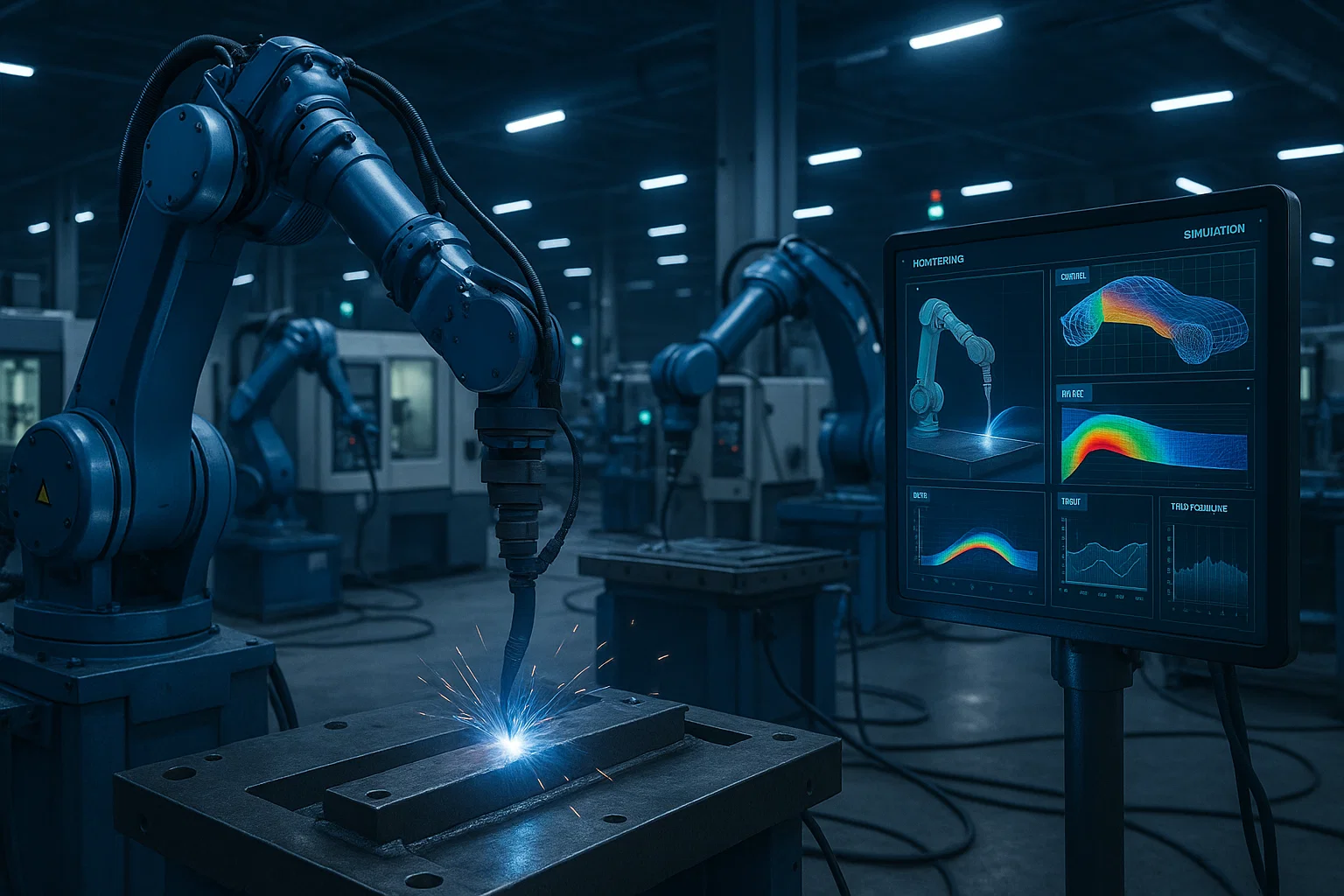
The Future is Here
Customers can expect smarter outcomes in the future as engineers combine their skills and experience with AI precision. Imagine a future of precise automation and advanced materials, a future where nothing is left to chance as simulation shows the way. That future is here and fast advancing as advanced engineering companies, like Singleton Engineering, lead the way.
Why Choose Singleton Engineering for Your Large-Scale Projects
Heavy industrial projects are amongst the most complex. They demand precision engineering and reliable processes. Under these circumstances, the project leader needs a dependable partner with skills and experience. Our clients know that they can depend on us as partners who will deliver large-scale solutions capable of performing under the toughest working conditions.
We know the importance of every component in ensuring a safe process on your premises. That’s why we design and manufacture parts for long-term durability. When you partner with Singleton Engineering, you can expect on-time delivery of equipment that will withstand years of heavy load use.
Complete Engineering and Fabrication Under One Roof
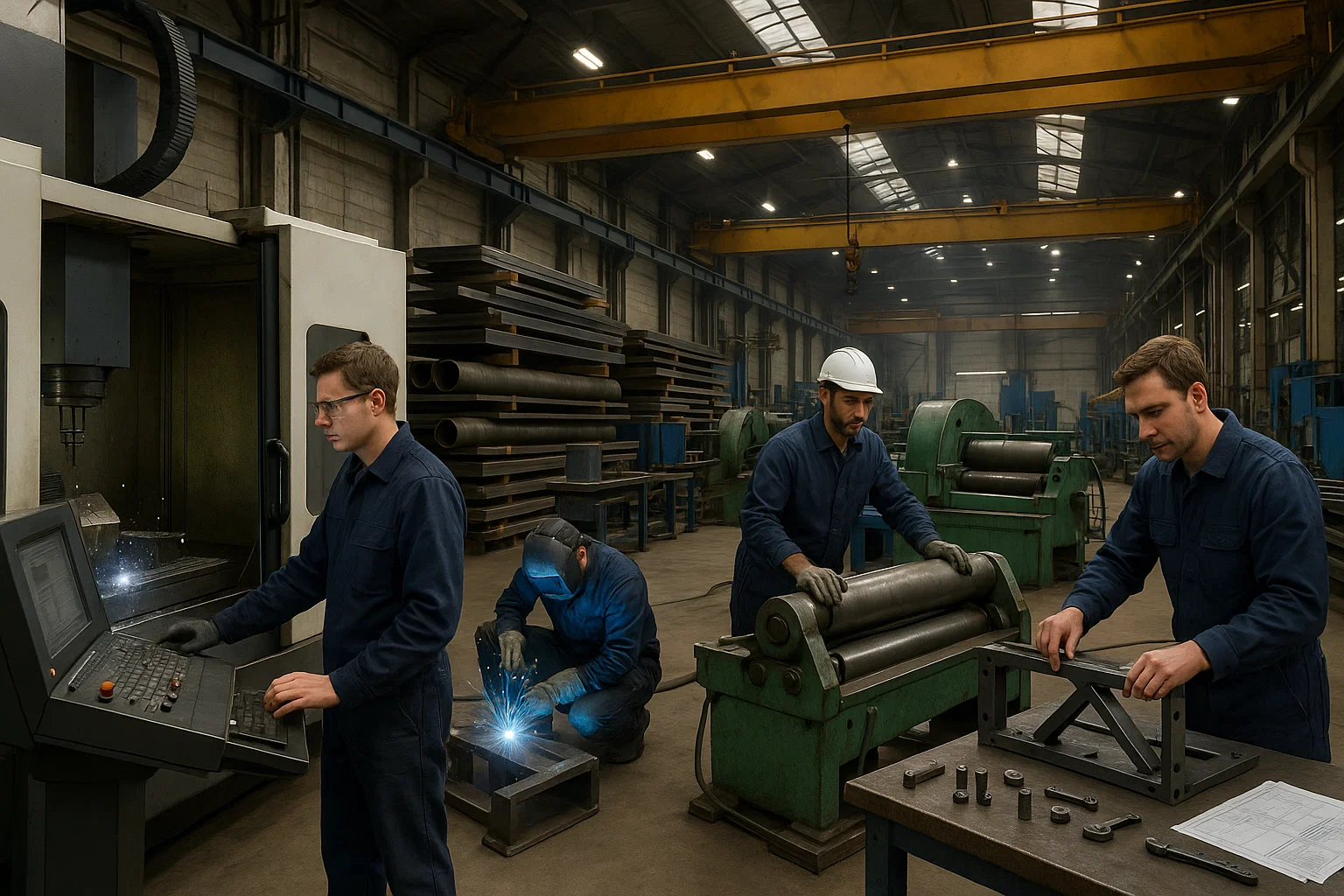
There are not many companies that offer full design support, precision machining, heavy welding, assembly, and testing in a continuous process. Singleton manages and controls the entire fabrication lifecycle under one roof.
Our clients don’t have to coordinate operations with multiple suppliers or worry that critical tolerances may be lost along the way. Singleton Engineering is a one-stop shop, saving time and money.
This means we can offer tighter quality control, easier and quicker scheduling, with communication that is a lot more effective.
Uncompromising Engineering Standards for High-Risk Industries
Singleton works to the highest engineering standards and industry certifications. We aim to ensure compliance with critical applications, like lifting frameworks and high-load structural features. Quality checks at every stage ensure that we meet the standards needed in the manufacture of safety-critical equipment.
Quality checks start with metallurgy selection. They flow with the product through weld qualifications, dimensional inspections, and functional testing. At the end of the process, clients can expect traceable documents that meet regulatory and safety audit requirements.
Problem-Solving to Reduce Cost and Downtime
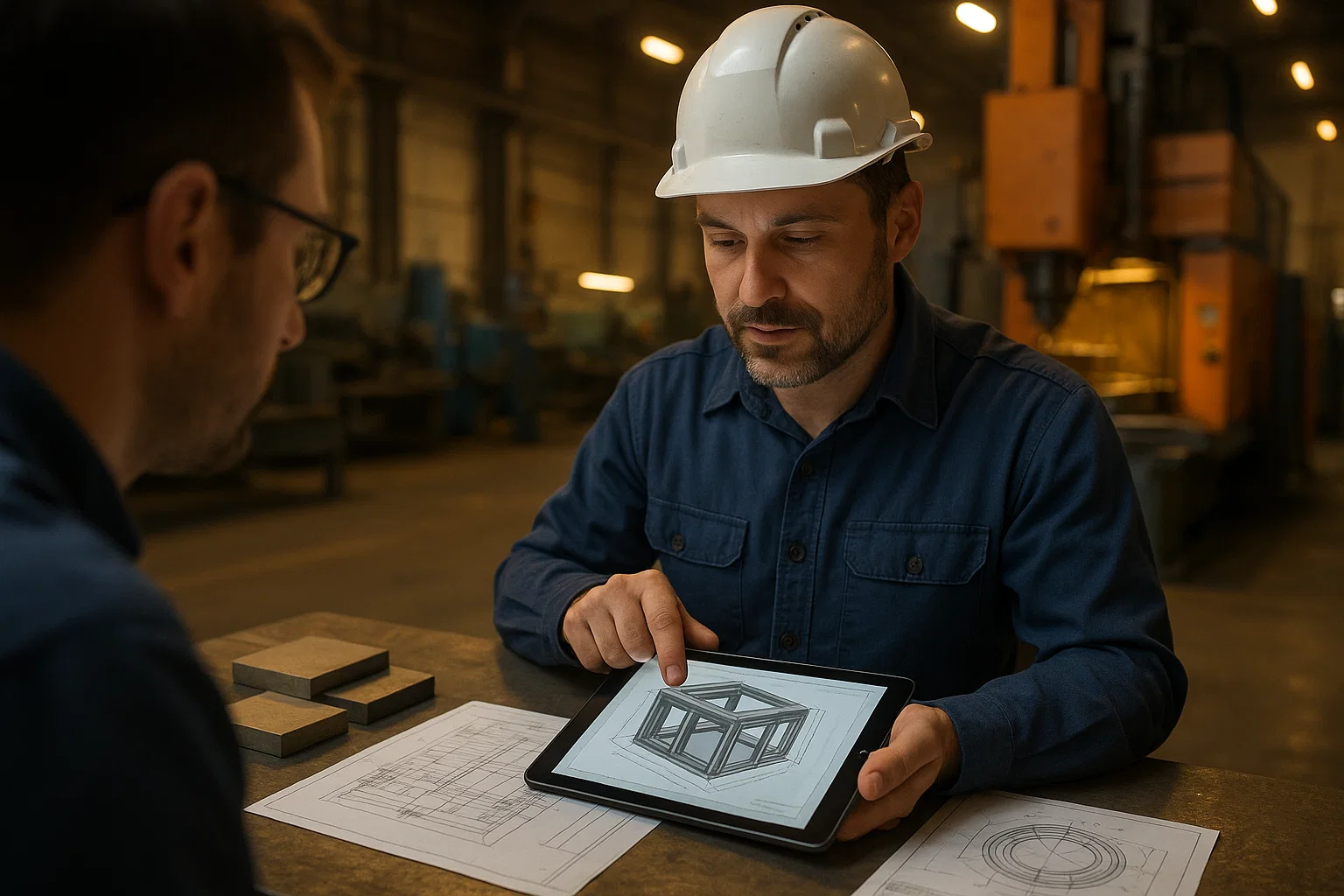
Mistakes in large-scale projects are costly, and they can cause long delays. Experience and foresight can prevent mistakes. The Singleton team can help you to refine your design and choose various materials for the job. This means that we start the project on a firm footing, avoiding mistakes and saving time and money.
We Aspire to Long-Term Partnerships
At Singleton Engineering, we don’t believe in transactional relationships; we prefer to treat our customers as long-term partners. We’re in this together, so we’ll support you with maintenance, future upgrades, and replacement parts.