


Operational productivity drives businesses. In an industrial environment, even a brief breakdown can disrupt production, costing the company dearly and jeopardising delivery schedules. In this environment, machinery maintenance is crucial. Yet, many still regard breakdowns as unavoidable.
Still, most equipment downtime results from recurring issues, such as operator error, delayed repairs, and environmental stress. Many companies are learning the importance of a preventive maintenance plan to extend machine life and reduce the frequency of equipment failures.
In a production environment such as this, maintenance services include a comprehensive approach to machine risk assessments, scheduled inspections, effective data use, and the creation of a maintenance culture across the general workforce. In this guide, we’ll show you how to use current resources to reduce downtime and extend equipment life.
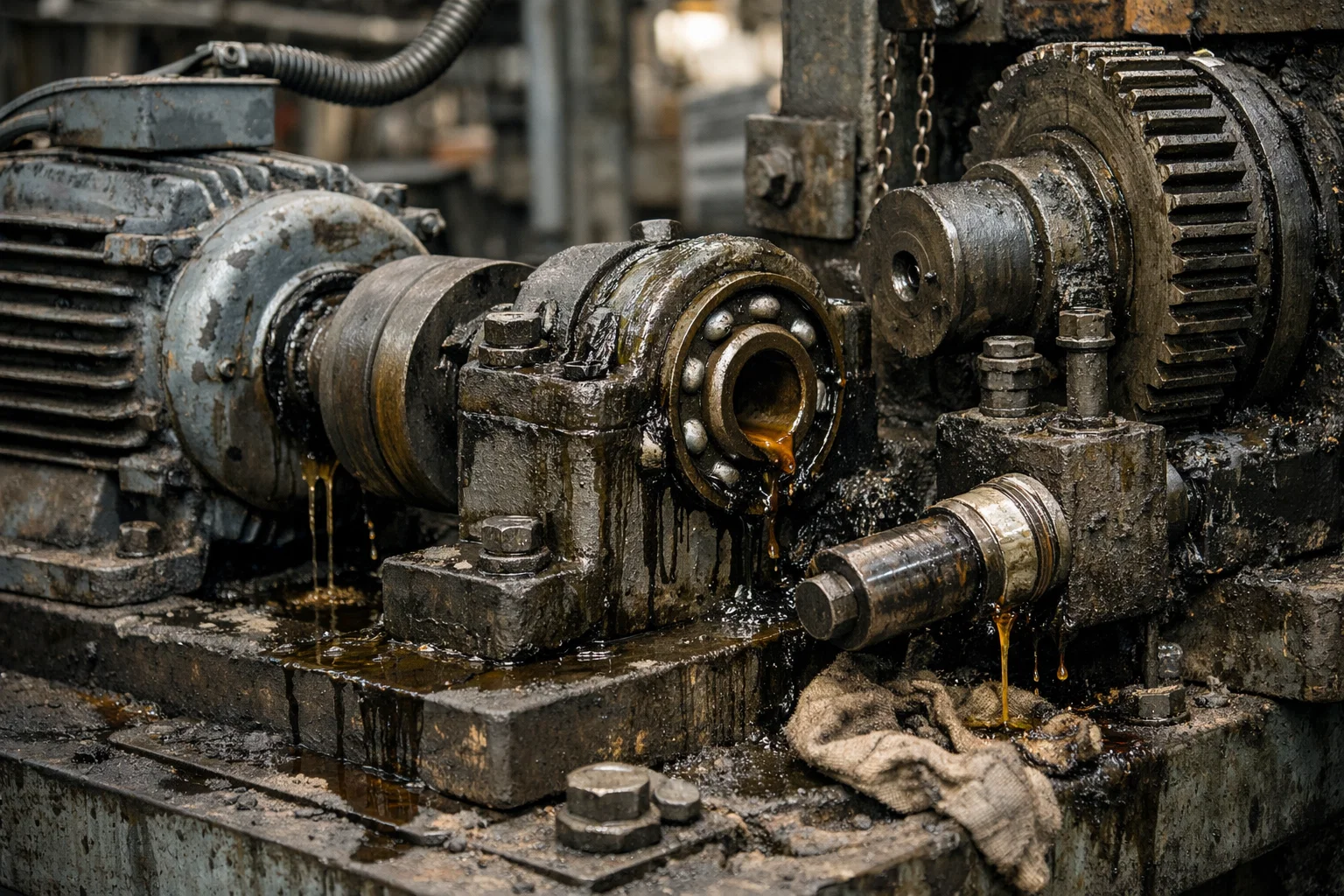
Understanding the Machine Breakdown Causes
Machine breakdowns don’t happen in a vacuum. Most failures find their origin in a small number of recurring problems. Understanding the actual causes of downtime is the first step toward keeping the machinery running and extending the equipment’s lifespan.
Operator Misuse
Machinery maintenance is crucial as often operators push the equipment beyond its limits. Incorrect start-up and shutdown routines, overloading, and ignoring warnings all speed up wear and tear. When operators don’t know how to recognise early signs of trouble, minor faults can quickly become costly breakdowns. The reason for misuse may be as simple as unclear operating instructions or inadequate training.
Delayed Machinery Repairs and Reactive Maintenance
Fixing equipment only after it stops working properly is a primary cause of costly downtime. Delayed repairs can often prolong stoppages after a machine breaks down. Lack of preventive maintenance often turns what might have been a small, inexpensive maintenance task into an extended, expensive emergency intervention.
Poor Planned Preventative Maintenance
Every business needs a formal, consistent maintenance schedule for machine inspections and general maintenance. Without an effective, well-implemented planned maintenance program, small issues, such as worn components or minor leaks, can cause a major breakdown and shorten the asset’s lifespan. Planned maintenance isn’t a hit-and-miss affair. It should be based on machine manuals and usage hours.
Low-Quality Spare Parts
Using cheap spares may reduce your initial maintenance outlay, but this false economy can lead to machine failure. Poor-quality components wear faster. They may be less efficient and can damage surrounding equipment.
Environmental and Operating Conditions
Extreme temperatures, dust and poor housekeeping are all stressors. Where possible, protect the machines from these conditions. Where possible, put controls in place to mitigate environmental factors. Examples may be air conditioning, fans, extractors and protective covers. Machines in harsh environments need more frequent maintenance, so plan accordingly.
Most Downtime is Preventable
Predictable, preventable issues cause most downtime. Operator training, preventative maintenance, quality parts and environmental controls are tools that will reduce and control machine downtime.

Moving From Reactive to Preventive Maintenance
A structured preventative maintenance program is your factory’s armour against equipment downtime. The move to preventative maintenance delivers long-term benefits in any industrial environment.
A reactive strategy, where you fix what breaks, may seem like a cost-effective approach to maintenance, but the resulting outages often last longer, disrupting production and incurring higher repair costs. Machine breakdowns don’t happen at convenient times. Emergency calls, unplanned line stoppages and rushed parts orders tend to inflate the costs.
Preventive maintenance is a planned approach in which production machinery is inspected and serviced at regular intervals to prevent failures. Regular maintenance improves machine reliability and extends asset life.
Predictive maintenance takes preventative maintenance one step further. Here, maintenance technicians use historical data, such as machine hours, temperature, and oil analysis results, to anticipate equipment failures. Though data collection sensors may require additional investment, these systems enable maintenance only when it is actually needed.
Scheduled Visual Inspections
Regular inspections should identify potential issues such as wear, misalignment, leaks, and overheating. Early intervention prevents minor defects from becoming major failures. Scheduled checks can improve safety, reduce repair time, and allow teams to plan maintenance activities more effectively.
Usage-Based Machinery Maintenance
Maintenance intervals are not arbitrary dates. They must reflect the equipment use. Machines operating continuously or under heavy load need more frequent attention than lightly used assets.
Simple Machinery Maintenance Calendars and Checklists
Effective preventive maintenance doesn’t need to be complex. Simple calendars and standardised checklists for routine checks and maintenance work ensure consistent task completion. Consistency minimises downtime and ensures safe systems to prevent accidents. Clear records help to identify recurring issues and ensure compliance.
Scheduled Maintenance Tasks
Scheduled maintenance is a planned and organised approach to equipment care. It covers routine activities such as cleaning, lubrication, component replacement, and calibration, all carried out at set intervals. A clear maintenance routine helps keep machines running smoothly, reduces unexpected stoppages, and improves overall operational efficiency.
When maintenance tasks are completed on time and according to plan, the risk of unplanned downtime is significantly reduced.
Emergency Repairs vs Planned Servicing Costs
Emergency repairs are always more expensive than planned servicing. They involve downtime, overtime labour, express shipping, and secondary damage. Planned maintenance programmes spread costs evenly, reduce disruption, and deliver predictable budgeting. It’s the proactive approach to machine maintenance.
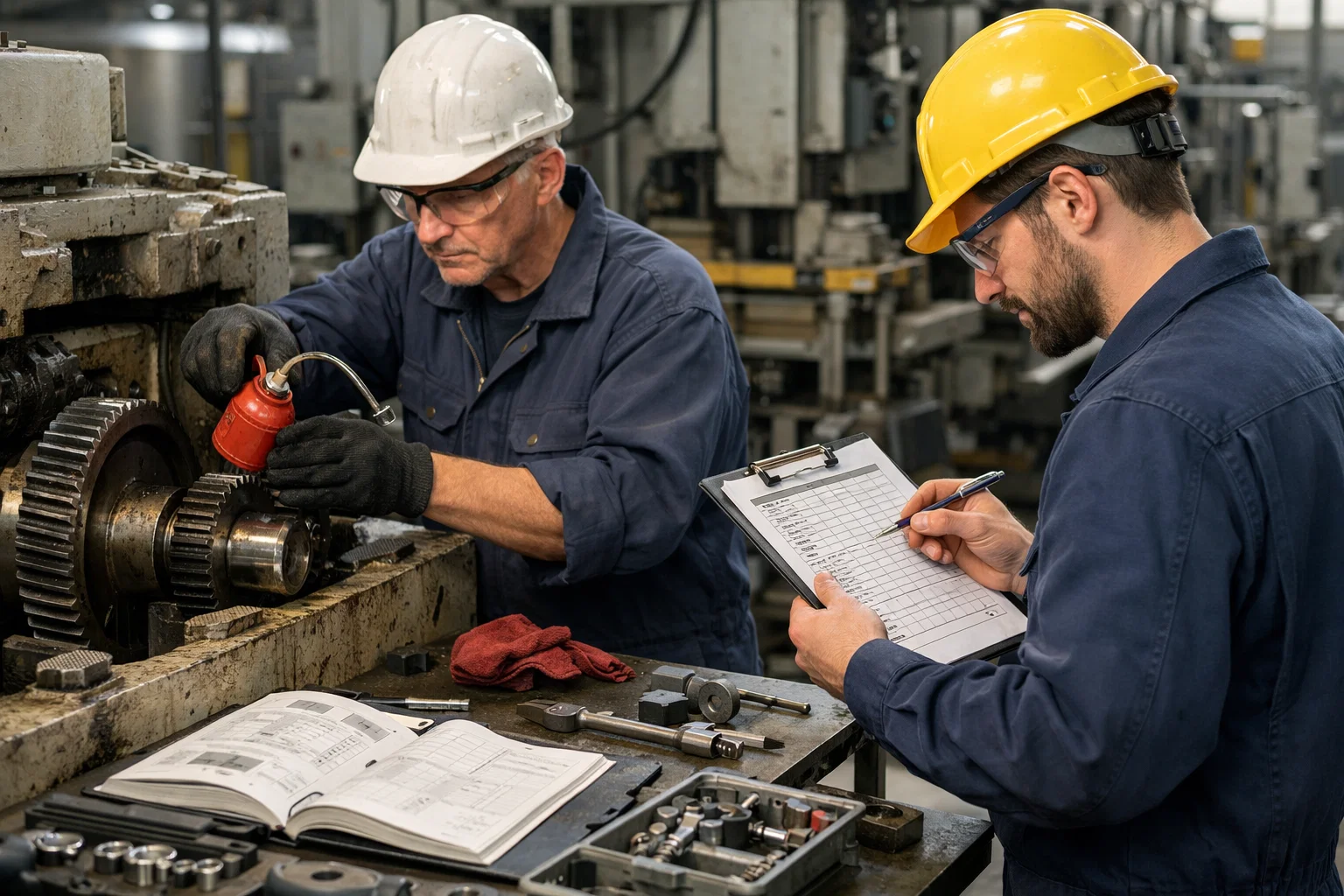
Prevent Failures with Condition Monitoring and Data
Condition monitoring is the practice of measuring machine vibration, temperatures and oil condition. It focuses on machine performance, identifying problems before an unexpected breakdown occurs. Machines don’t need a sophisticated monitoring system. Simple alerts and trend tracking can offer valuable insights into the machine’s condition.
Maintenance teams should service equipment based on real wear and tear rather than calendar dates. They do this by tracking hours of use, load levels, and output. A machine running continuously under heavy load will need attention sooner than lightly used equipment, even if both are the same age.
The real value of data lies in early fault detection. The maintenance team can use data to detect small issues early and fix them quickly and cheaply. Left unnoticed, the same issues may become major failures, causing an extended downtime and costly repairs.
Train Operators on Machine Use and Protection
Operator behaviour is a leading cause of premature equipment wear. Even well-maintained machinery will fail early if it is misused, overloaded, or operated incorrectly.
Train operators on start-up and shutdown procedures, load limits, and standard operating procedures. When performed correctly, these daily checks can significantly reduce machine wear and system stress. Operators must conduct daily visual checks, including inspections of fluid levels, listening for unusual noises, and checking for warning indicators.
Encourage operators to report early warning signs. Vibrations, leaks, reduced performance, or unusual sounds are often the first signs of a developing fault. If operators report these issues, maintenance teams can intervene to prevent machine failures.
The aim should be to build shared responsibility for equipment performance and good health. Operators who understand that their actions affect machine reliability and safety will become active contributors to downtime reduction.
Use the Right Spares and Consumables
Using the wrong machine components or consumables is false economy and will often result in higher costs in the medium to long term. Though cheaper replacement parts may fit, they are likely to wear out faster, increasing the risk of failure.
Base the decision on whether to use OEM or aftermarket parts on the component’s criticality to machine performance. OEM parts performance is guaranteed. These parts are made for the machine in question, so you’re guaranteed a good fit. Quality aftermarket spares may be suitable for less critical machines, but the specifications must match perfectly.
Lubrication and fluid management are equally important. Incompatible oils, greases, or service intervals increase internal wear. Follow the manufacturer-recommended lubricationschedulesto protect components.
Plan Downtime
Planned shutdowns are controlled and predictable. Schedule planned maintenance during low-impact periods. The best times are during off-peak production hours or over the annual shutdown. Coordinating maintenance with production schedules reduces disruption and allows teams to work efficiently.
Improve Spare Parts Management
Machine spares are crucial for resolving machine breakdowns quickly. If you don’t have the critical components, repairs stall and costs and anxieties escalate. Critical spares are the parts that will cause an immediate shutdown if they fail. Identify them and make plans to hold them in stock. There should always be critical spares in the maintenance store.
If you’re concerned about inventory holding costs, source non-critical spares as you need them. The goal is to balance inventory to avoid delays and overinvestment in inventory. Overstocking ties up capital and leads to obsolescence. It also takes up space. Under-stocking increases downtime risk. Weigh the costs against the risks.
Supplier reliability is also a crucial factor in spares management decisions. Long lead times, inconsistent parts availability, and poor communication can prevent timely repairs. Dependable suppliers will ensure that your spare parts are expedited to hasten the repair task and get production up and running.
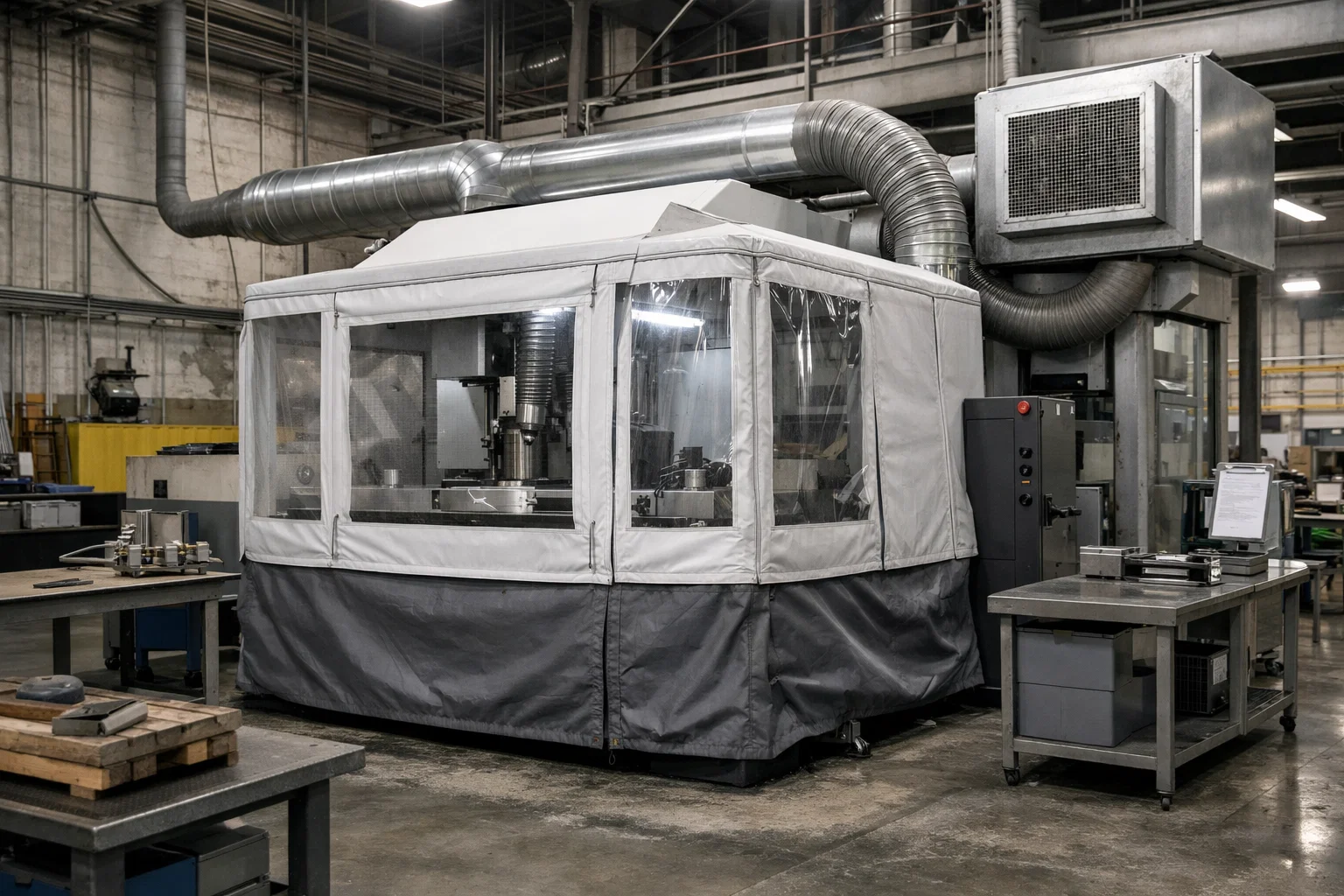
Protect Equipment From Environmental Damage
WE seldom consider environmental exposure when planning machine maintenance. Yet, it is an important contributor to machine degradation. Dust, moisture and temperature extremes increase component wear over time.
Site cleanliness and housekeeping can make a measurable difference. Careful storage during idle times prevents corrosion and contamination. Clean work areas make it easier to inspect work stations and equipment.
Measure Performance: KPIs That Matter
Effective management of all functions depends on clear performance metrics. The same is true of downtime reduction strategies. Useful metrics include:
Mean Time Between Failures (MTBF) – Equipment reliability over time
Mean Time to Repair (MTTR) – The length of time it takes to resolve a machine failure
Downtime percentage – The impact of breakdowns on operations
Maintenance cost as a percentage of asset value – A measure of long-term spending.
Track KPIs on a monthly basis to reveal trends and highlight weak points. Statistics should help you make sensible decisions on where to spend money on asset replacements and drive continuous improvement throughout the plant.
Extend Equipment Life With Long-Term Asset Planning
Long-term asset planning focuses on lifecycle costing, rather than just the purchase price.
Long-term asset planning should use performance data and operating costs to balance machine refurbishment with replacement. These metrics should help to determine when continued investment in repairs no longer makes financial sense. This data supports capex justification and avoids sudden failures and unplanned expenditure.
Mistakes That Increase Downtime
There are some common mistakes that many maintenance teams have made and regretted in the past.
- Missing routine maintenance allows small issues to grow.
- Delaying minor repairs to “save time” often causes longer outages later.
- Poor communication between operators and maintenance teams leads to missed warning signs.
- Inconsistent care and repeated failures result from a lack of machine ownership.
These are not difficult issues to avoid. They need no complex systems. All that is needed is structure, discipline and accountability.
Ensuring Safer, Cleaner, Long-Lasting Equipment
Reliable equipment supports productivity, safety, customer satisfaction, and profitability. Quick fixes shouldn’t be tolerated. Routine checks of key points and consistent maintenance should drive the maintenance team. Structured maintenance, trained operators, quality parts, and performance measurement deliver long-term cost savings and operational stability.
An entrenched preventive maintenance program should improve productivity and protect people by providing safer, cleaner equipment.
Working with experienced maintenance or equipment specialists can help identify risks, optimise maintenance schedules, and extend asset life. Downtime reduction is an investment in reliability, efficiency, and financial performance.