

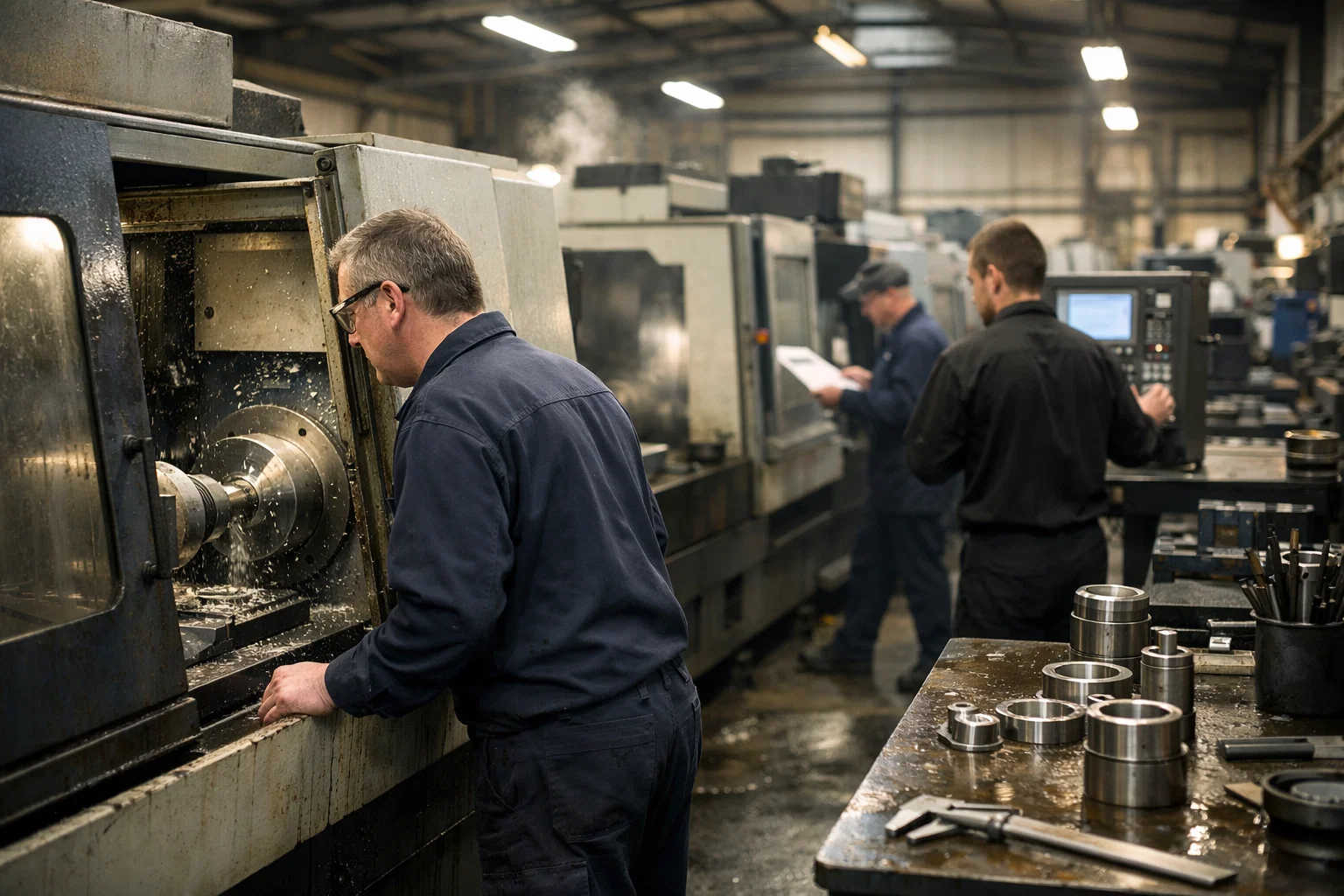
Precision engineering is one of those things most people never think about, yet it sits behind almost everything that gets made in the UK. From CNC machining to the production of precision machined components, a huge amount of modern manufacturing depends on getting the details right. If those details are off, even slightly, it can cause delays, waste materials and affect the overall quality of a project.
Over time, manufacturing has become far more demanding. Businesses are not just asking for parts anymore. They expect support across the full manufacturing process, including design, machining, finishing and delivery. CNC machining services often play a big part in that, especially when dealing with complex parts or specific material requirements. It is rarely just one process on its own.
What tends to make the biggest difference is having everything handled under one roof. When the same experienced team manages design, production and assembly, communication becomes easier and projects tend to run more smoothly. It also helps maintain consistent quality, which is critical when working to tight deadlines or producing parts at scale for different industries.
How CNC Machining Supports High Precision Manufacturing
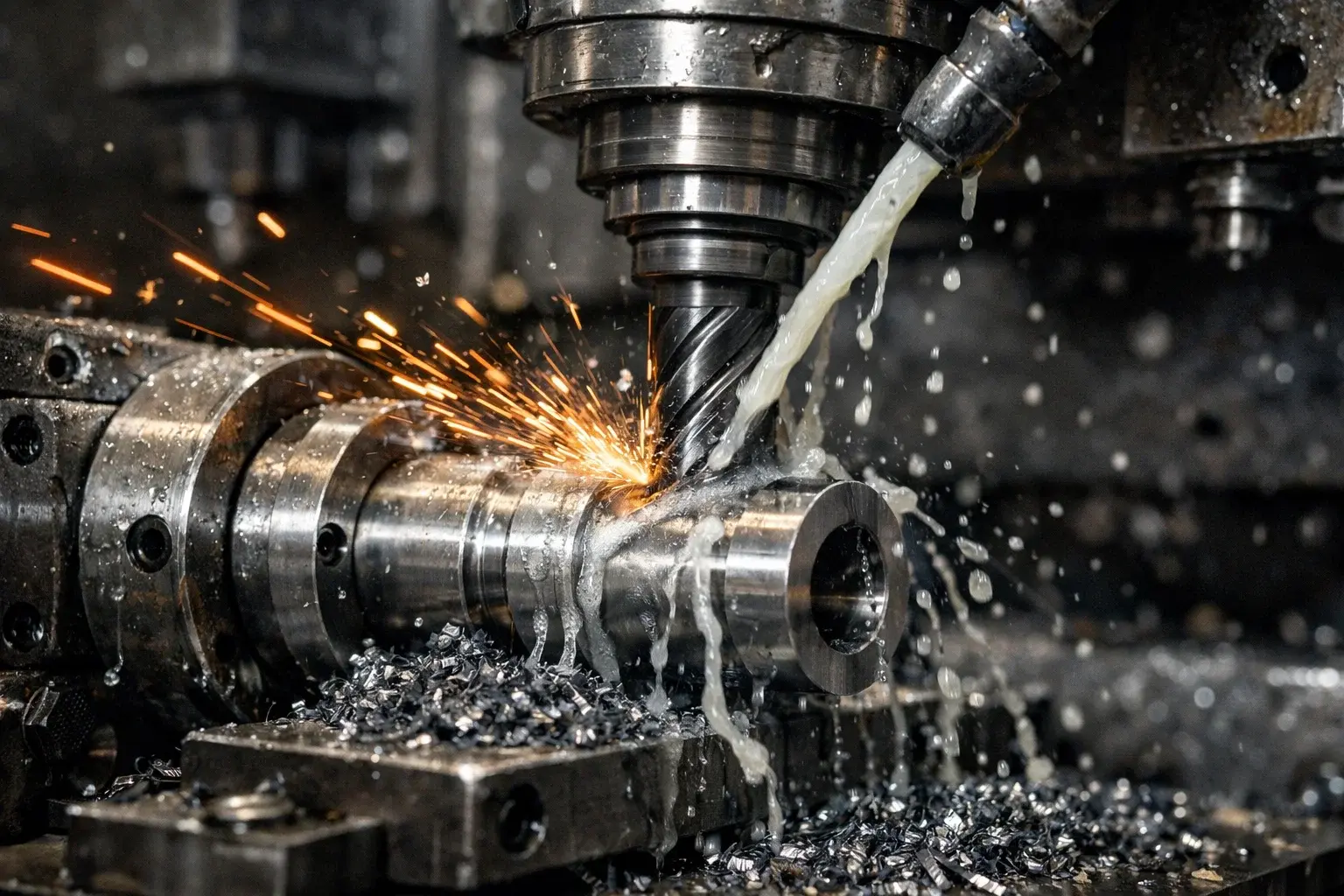
If you spend any time around manufacturing, CNC machining comes up pretty quickly. It is one of the main ways precision engineering is actually carried out in practice. Instead of relying on manual processes, CNC machining uses programmed systems to shape materials into exact forms, which is why it is so widely used when accuracy matters.
It is especially useful when producing parts that need to be repeated over and over again without variation. Whether it is CNC milling, drilling or more specialised work, the goal is the same — keep everything consistent while working to tight tolerances. That becomes even more important on larger machining services projects where delays or inconsistencies can affect the whole production schedule.
Another thing worth mentioning is how flexible CNC machining can be. It is used for simple components, but also for more complex projects where shapes, materials and specifications vary. Aluminium, plastics and even more demanding materials can all be worked depending on what is needed. When it is handled by an experienced team, it gives manufacturers a reliable way to deliver parts on time while maintaining quality.
From Prototype to Production: Managing the Full Manufacturing Process
Not every job starts in the same place. Some come in with full drawings ready to go, others are still being figured out. In those early stages, prototypes are often used to test whether something will actually work once it is made. It is a practical step, not just a design exercise, and it can save a lot of time later on.
Moving into production is where things can get more demanding. What worked as a one-off does not always translate straight into larger volumes, especially when materials, tolerances and timelines all come into play at once. This is where the manufacturing process needs to be handled properly, otherwise small issues can start to build up and affect the final result.
Having everything handled under one roof tends to make that easier. The same team can adjust things as the project develops, rather than passing it between different suppliers. It usually means fewer delays, clearer communication and a better chance of hitting deadlines without compromising on quality.
Why Consistent Quality Matters in Precision Engineering
Quality sounds like an obvious thing to aim for, but in engineering it is usually where problems show up first. If parts are not consistent, even by a small amount, it tends to cause issues once they reach assembly or production. One component might fit slightly differently to the next, which can slow everything down or lead to rework that no one planned for.
This is why most experienced engineers focus just as much on repeatability as they do on accuracy. It is not only about getting something right once. It has to be right every time it is produced. Standards such as ISO 9001 help with that, but in reality a lot of it comes down to how the team works day to day, how materials are handled and how closely each specification is followed. When that level of control is there, projects tend to move without constant interruptions, and customers know what they are getting each time.
Supporting a Wide Range of Industries with Precision Engineering
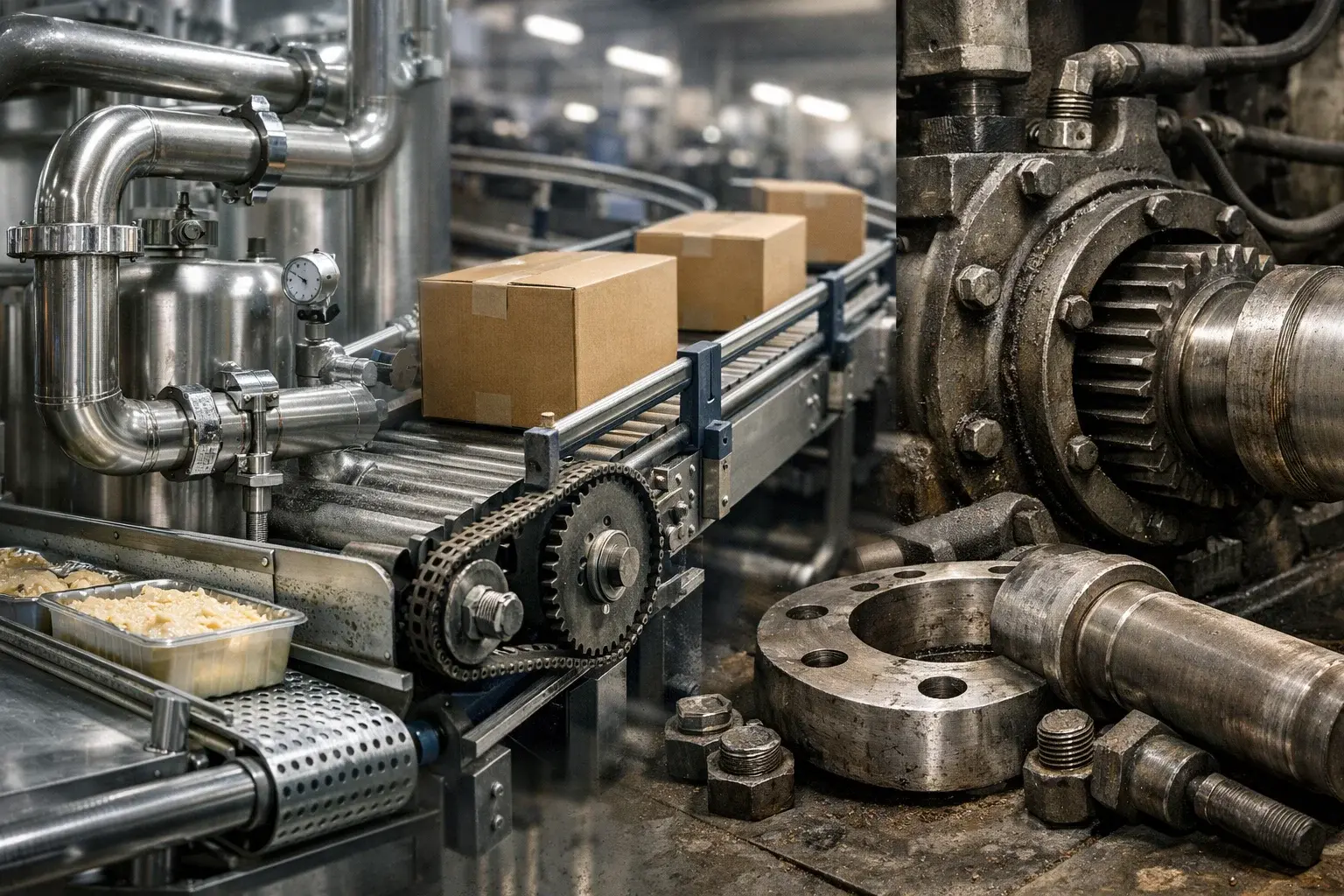
You start to notice how widely precision engineering is used once you look at where the parts end up. A lot of it sits behind the scenes. A conveyor system in a food site, a section of pipework in a processing plant, or components used in power generation all rely on machining being done properly in the first place.
The requirements are rarely the same from one job to the next. Some projects focus heavily on hygiene, others are more about durability or working under constant load. Materials change depending on that, so you might be working with stainless steel on one job and something completely different on the next. That is where experience counts, especially when the expectation is not just to produce parts, but to produce something that will actually hold up in a real working environment.
Why Working With One Engineering Partner Makes a Difference
Projects do not always go wrong in obvious ways. It is often smaller things that build up over time. A part turns up slightly different to what was expected, or one stage takes longer than planned and everything else has to wait. When different companies are involved at each step, those kinds of issues are harder to catch early.
It is not that any one part is done badly. The problem is usually how everything connects. One team might approach a job differently to another, or work to slightly different assumptions. That can leave people adjusting things as they go, which is where delays and frustration tend to creep in.
When the same team handles it from start to finish, things feel a bit more joined up. Everyone already knows what has been done and what still needs to happen. There is less backtracking and fewer surprises halfway through, which makes a difference when a project is already under pressure.
Choosing the Right Precision Engineering Company in the UK
Finding the right precision engineering company is not always as clear as it looks at first. Most will offer similar services on paper, whether that is CNC machining, fabrication or general machining services, so it can be hard to tell them apart early on. The differences usually show later, once a project is moving and things like deadlines, materials and changes start to come into play.
What people often end up judging is how the company actually handles the work as it unfolds. Some are comfortable dealing with complex parts or shifting requirements, others less so. It is not always about how long they have been around either. In many cases, it comes down to how the team communicates, how realistic they are with lead times and whether they can keep quality steady from one stage to the next without things drifting off track.
Keeping Manufacturing Moving Without Unnecessary Delays
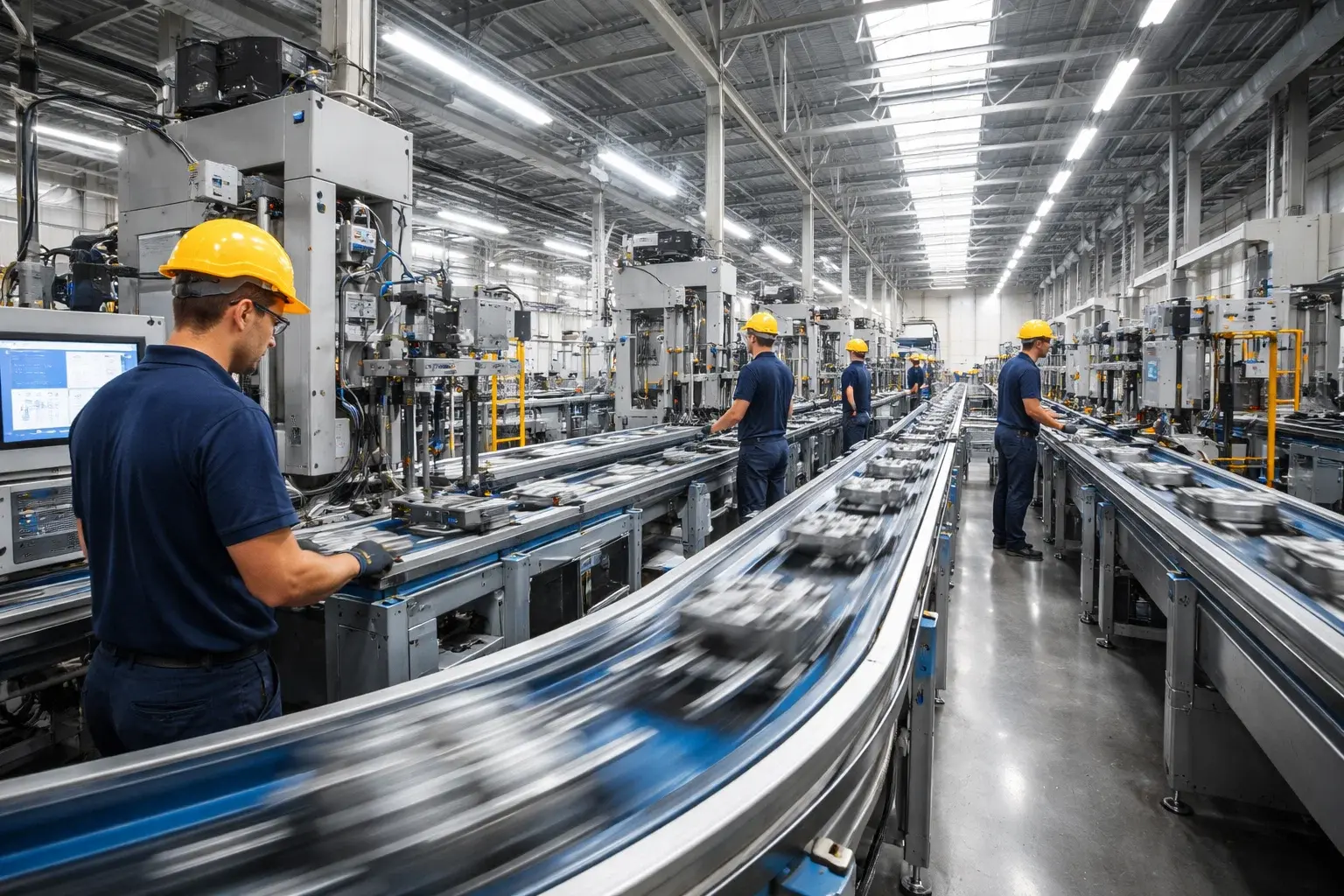
You do not always notice when things are running well. Production just moves, parts turn up when they should and everything fits as expected. It is only when something is slightly off that it starts to stand out, usually in the form of hold-ups or extra work that was not planned in.
Most of that comes back to how consistent the earlier stages are. If machining, finishing or assembly are even slightly out, it tends to show later on. Keeping things steady across the process makes a bigger difference than people expect, especially when production is already under pressure. When that side of it is handled properly, there is less disruption and fewer things to fix further down the line.