

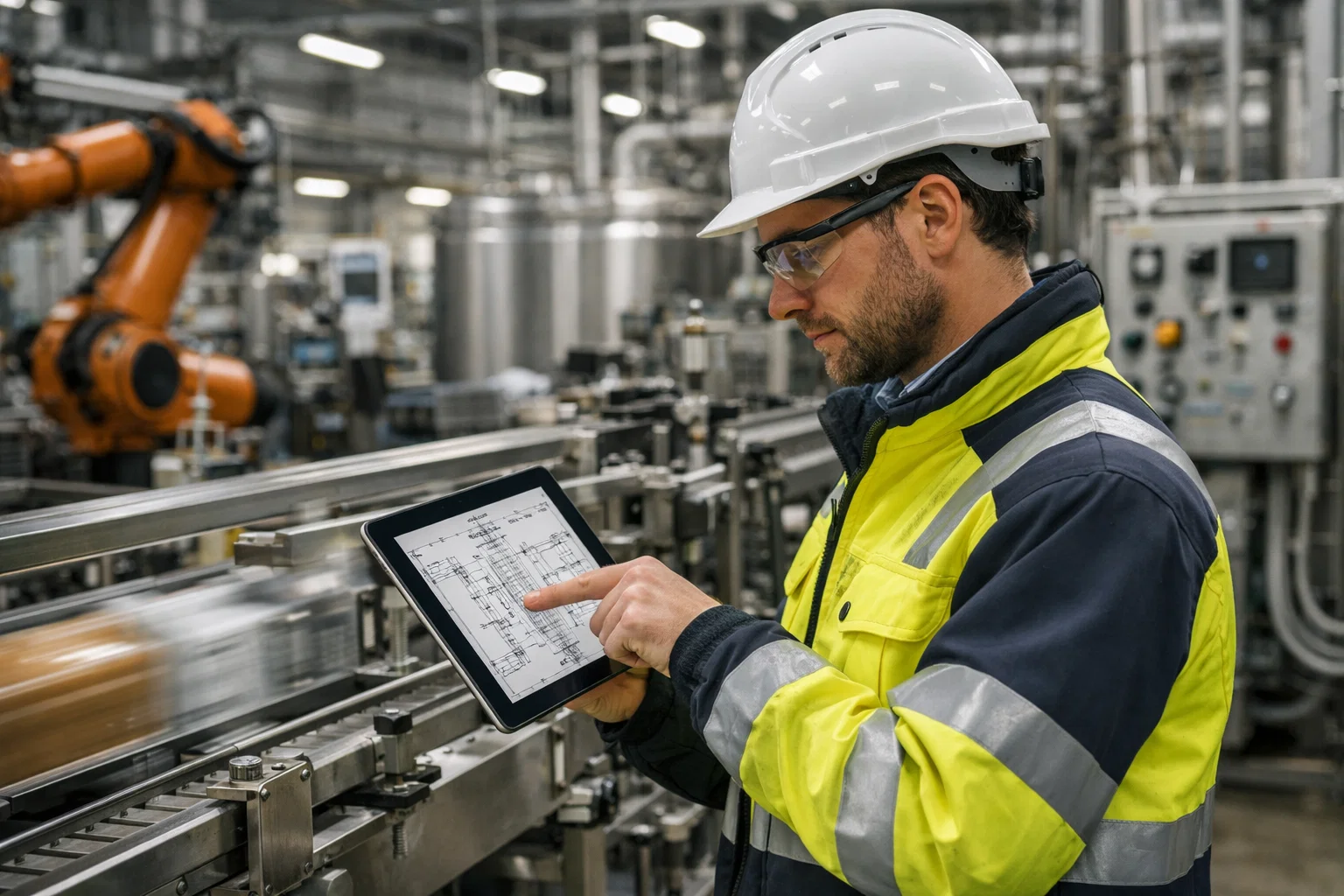
Industrial manufacturing lies at the foundation of most modern economies. The science enables the mass production of everything from vehicles to food, pharmaceuticals, electronics, and armaments. Behind these often enormous, multinational companies stands a team of mechanical engineers who have designed everything in these factories, from products and machines to tooling, safety equipment, fixtures, and workflows.
The work doesn’t stop there. It is the mechanical engineering team’s responsibility to continually evaluate operational functions within the working environment. They must ensure machine reliability, consistent throughputs and minimal waste. They should be the driving force behind downtime reductions, productivity improvements, quality improvements, and future investment decisions.
These people collaborate with suppliers and the functional teams within the organisation to harmonise processes into a finely tuned operation that delivers consistent quality, efficiently and cost-effectively.
Industrial Manufacturing Features
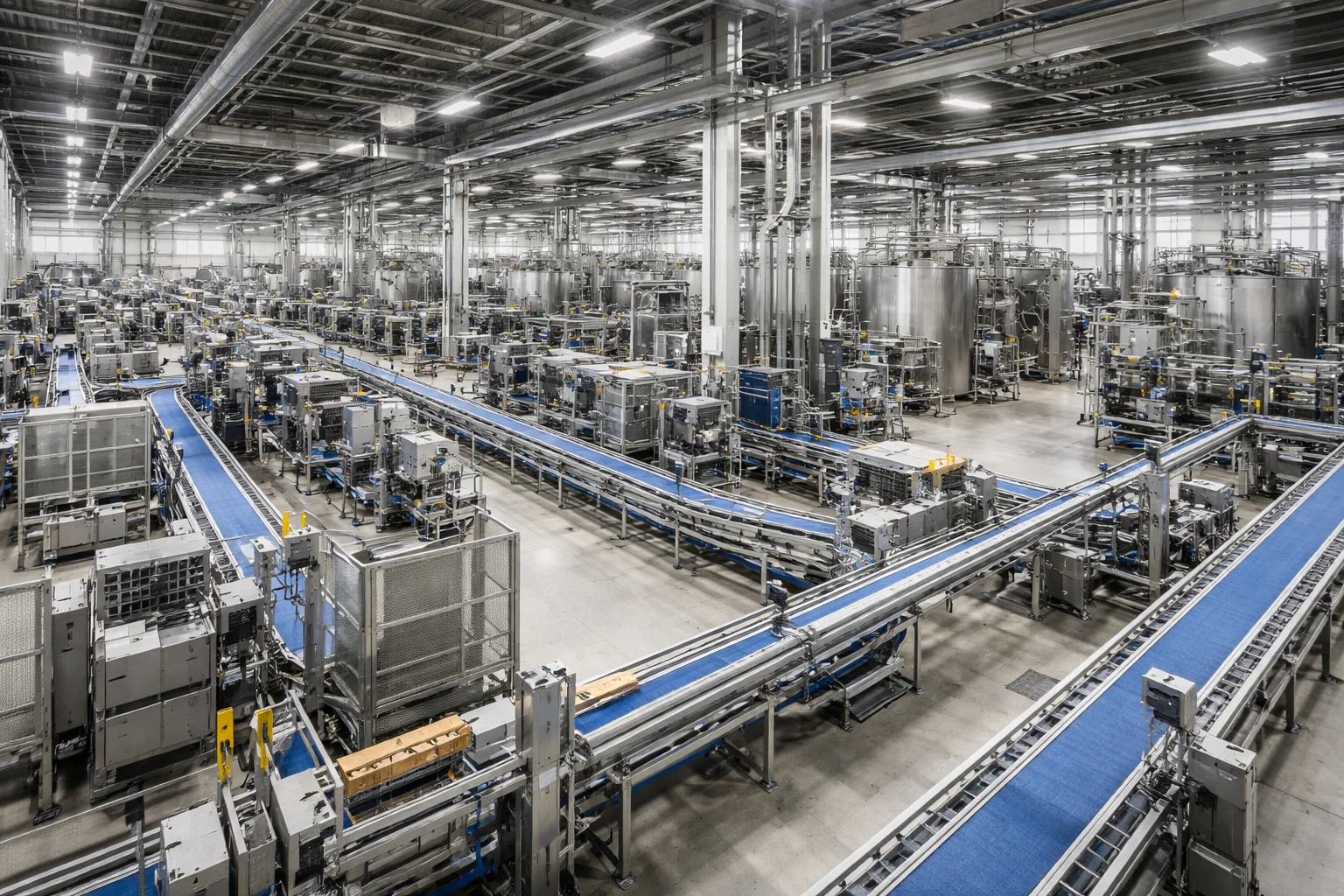
Industrial manufacturing plays a vital role in advanced economies, driving industrial growth and creating employment. It also powers global trade. Industrial manufacturing’s primary goal is the efficient conversion of raw materials into finished products.
This is all about bulk production, often on continuous manufacturing lines, using automated systems. Industrial manufacturing relies heavily on advanced technologies and robotics with a focus on efficiencies and cost containment. Automation has become increasingly important in recent years as large-scale manufacturers seek to reduce or eliminate repetitive and dangerous tasks and remove human error.
In these factories, line-side tasks are divided into specialised roles with the goal of creating reliable, efficient task completion. Products are often standardised, using similar specifications and similar parts where possible. The aim here is to have interchangeable components for inventory and quality control.
The Complexity of Modern Production Environments
Modern manufacturing exists in a far more complex environment than that of traditional factories. Modern environments require tightly integrated systems that meld human resources with automated systems and global supply chains. Systems are highly interdependent, so a single failure can impact the entire facility.
These lines operate at high speeds, delivering unwavering quality. They exist in a world of changing product variations and short lead times. There is constant pressure to reduce costs and improve energy efficiency. Equipment failures, poor layouts and inefficient processes will result in missed order deliveries and financial losses for the company.
Where Mechanical Engineers Fit in Manufacturing Operations
In the centre of this complexity sits the mechanical engineering department. They calculate workstation performance, set technical specifications, select appropriate equipment, and specify approved materials.
Mechanical Engineers are Responsible for Every Production Phase
The team is responsible for every phase of the manufacturing project, from concept through product development to final product approval. They must decide on the most appropriate machines, conveyors, material-handling equipment, and tooling. All equipment must work well, or the production line cannot produce quality products efficiently.
Evaluating Every Component
Engineers must evaluate every component in the operational environment. They must calculate the output requirements and ensure that the specified equipment can deliver to specification under a range of operational conditions. They must assess the available equipment and make recommendations based on technical performance parameters and practicalities.
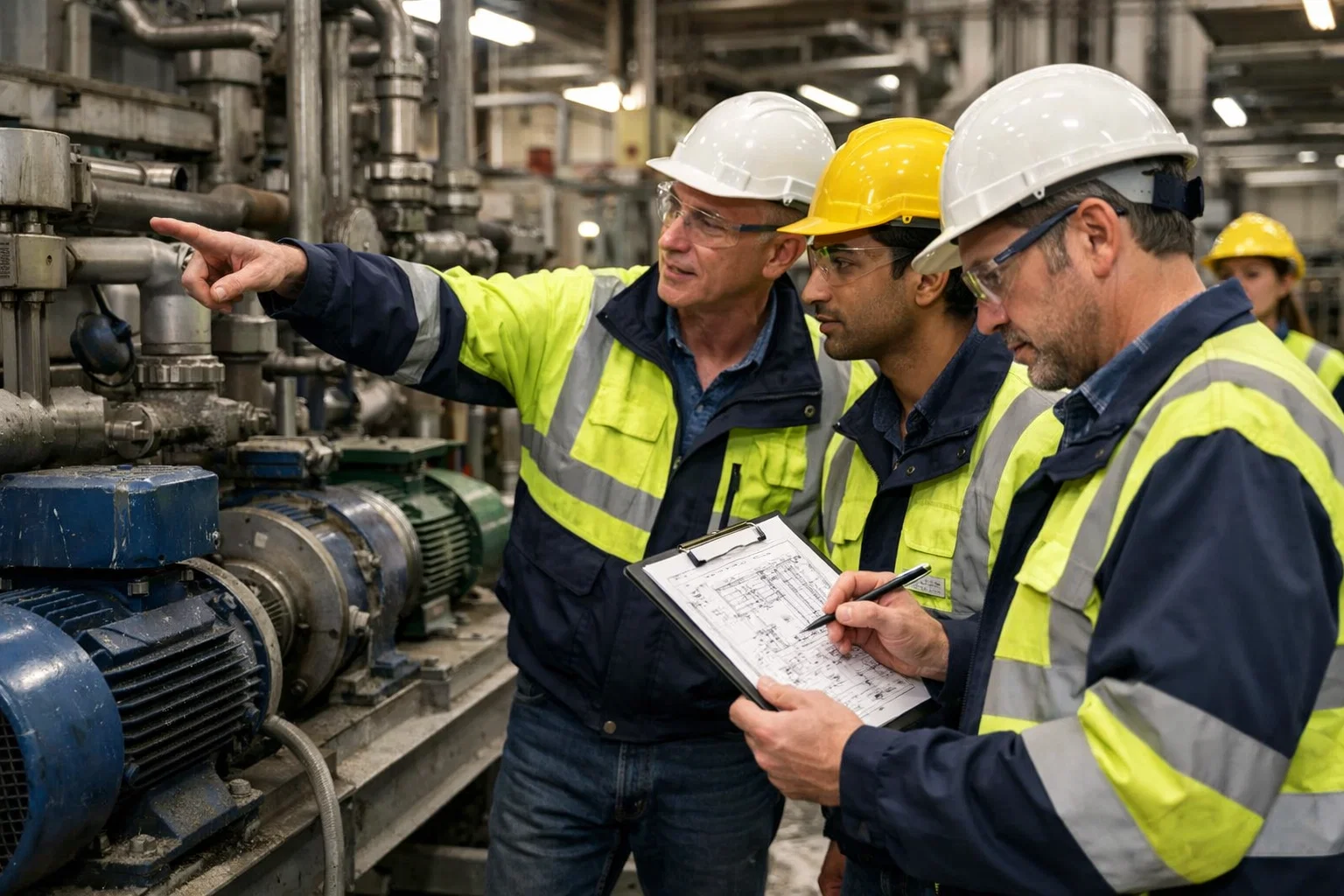
Mechanical engineers play a critical role in integrating machines into efficient production workflows. They analyse how equipment interacts, how materials move through the facility, and how to improve systems to reduce waste and downtime. They work closely with production, maintenance, and safety teams to ensure that machinery operates reliably and safely, and within regulatory constraints.
Supporting Long-Term Planning
Mechanical engineers also support long-term planning. They help manufacturers make decisions about automation, capacity expansion, maintenance strategies, and capital investment.
Mechanical Engineers Key Performance Areas
Mechanical engineers have a direct impact on production output, operating costs and quality. Their responsibilities include:
Component and Mechanical System Design
Mechanical engineers are responsible for the design of all mechanical components and equipment for the line. Designs must be safe, durable and cost-efficient. A good mechanical design should fit well into the production environment without breaking down and must produce consistently good quality.
Machinery and Production Equipment Selection
A engineering project team researches and evaluates tools, machinery, and equipment to assess reliability, maintenance requirements, capacity, and lifetime costs. If they get the job right, the production team can expect consistent output, infrequent breakdowns and lower long-term expenditure.
Production and Workflow Improvements
Mechanical engineers continuously observe production to assess how systems operate within the whole. They analyse workflows, material movement, and machine interactions to take down bottlenecks and remove inefficiencies. Small design changes can have a big impact on throughput, reducing labour and energy usage.
Improving Equipment Reliability and Performance
Mechanical engineers should work with the maintenance team to develop maintenance strategies. They should aid with troubleshooting failures and identify design weaknesses. They help to set up preventative maintenance programs and offer advice on machine and equipment issues.
Supporting Continuous Improvements
Continuous improvement relies on data, analysis, and practical solutions. Mechanical engineers support initiatives such as efficiency improvements, waste reduction, and equipment upgrades. They can identify mechanical limitations to improve productivity and cost control.
Machinery Design, Selection, and Installation
Machine design and selection have a direct impact on the line’s reliability, output and operating costs. And investment decisions are long-term, so the production and maintenance teams could face challenges unless appropriate investment decisions are made.
It is the task of the mechanical engineering team to choose scalable equipment that is fit for purpose and integrates well with the other production systems.
Custom Machinery and Tooling
There comes a time when standard equipment no longer meets production needs. It then becomes the mechanical engineer’s task to custom-design equipment. Custom designs should enable improved accuracy, ergonomics and space optimisation. It should promote labour efficiency and improve repeatability.
All machinery is designed with safety in mind. This includes safe access for cleaning, inspection, and maintenance. Equipment layouts, access points, lifting provisions, training requirements and lock-out procedures are early considerations.
Off-the-Shelf Equipment Specification
Many equipment needs are filled by items already available on the market. Mechanical engineers must evaluate the available equipment to ensure that it meets output and compliance requirements. They must understand energy use, fluid mechanics, material handling requirements, and any environmental concerns. A thorough evaluation should reveal the most reliable, cost-effective and easy-to-use equipment.
During the assessment, the engineers will also evaluate energy consumption, maintenance needs, and expected service life. Lifecycle cost considerations ensure that initial affordability does not come at the cost of downtime, maintenance costs or inefficiency.
Equipment Installation, Commissioning, and Testing
Safety is the first concern in every factory, and it is the mechanical engineer’s responsibility to ensure the machine is set up correctly and is safe to use. The engineers will verify performance during commissioning and fine-tune any settings, ensuring that the equipment works as specified.
The workings of the new equipment must harmonise with those of the existing equipment and fit into workflows. The engineers must ensure there are no bottlenecks after installation.
Optimising Processes
A good mechanical engineer can offer businesses huge profit gains by optimising processes. The team should always keep an eye on how work moves through the production process. Their goal is to eliminate waste in every form. Waste can include time, materials, unnecessary labour and energy usage. The team’s aim: To reduce output without increasing costs or risk.
Analysing Workflows to Identify Bottlenecks
Engineers study workflows from raw material receipt through to finished products entering the warehouse. In the course of their work, they analyse machine utilisation, changeovers and component movements throughout the plant. They identify bottleneck operations and remove or relieve these constraints to improve throughput.
Cycle Time and Waste Reduction
Many cycle-time reductions come from small changes rather than major capital investments. Engineers may automate repetitive tasks, improve machine sequencing, or improve tooling. These improvements reduce idle time, rework, and scrap, lower the cost per unit and increase capacity.
Energy Efficiency Improvements
As energy costs rise, so does the need to find ways to improve. The engineers assess equipment efficiency, air and fluid systems, heating and operating parameters to reduce unnecessary energy use. Improvements such as optimised motor sizing, reduced friction, and efficient heat management are essential initiatives to lower utility costs.
Layout Planning and Material Handling
Poor factory layouts increase travel distances and safety risks. Mechanical engineers design layouts that minimise movement, improve access, and support smooth material flow. Well-planned handling systems reduce labour requirements and component damage.
Supporting Lean Manufacturing
Engineers should be hard at work standardising processes and removing non-value-adding tasks to eliminate waste, improve flow and increase process reliability.
Maintenance, Reliability, and Asset Management
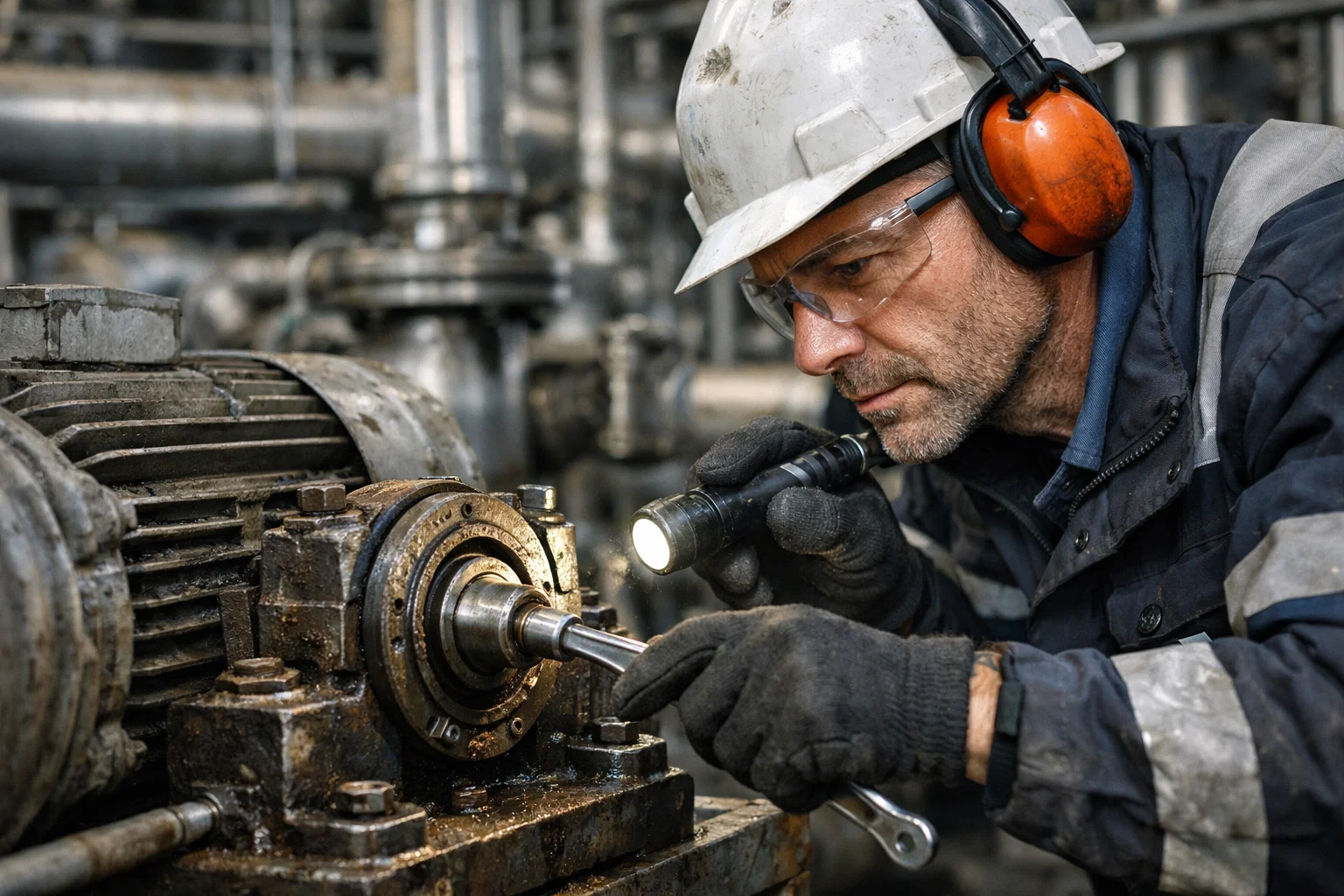
Reliable, productive and cost-effective equipment is central to efficient manufacturing systems. Mechanical engineers should help organisations to move toward preventative or predictive maintenance and structured asset planning.
Developing Maintenance Strategies
In keeping with a preventive maintenance strategy, routine inspections, servicing, and part replacements should be scheduled on time or based on machine usage. Predictive maintenance takes this concept one step further by using data such as vibration, temperature, and operating hours to anticipate failures before they occur. These strategies reduce the need for emergency repairs, enabling effective production planning.
Root Cause Analysis
When failures do occur, mechanical engineers should lead or support root cause analysis. Rather than fixing symptoms, they identify underlying design flaws, operating conditions, or maintenance gaps that have caused the failure.
Unplanned Downtime Reductions
Unplanned downtime is one of the most expensive risks in industrial manufacturing. Mechanical engineers analyse failure patterns, component problems, and system interactions to reduce unplanned stoppages. They may modify designs, improve lubrication systems, upgrade components, or change operating limits.
Extending Equipment Life
Extending equipment life makes financial sense since it reduces capital replacement costs and improves the return on investment. Mechanical engineers can help with this through design innovations and recommended maintenance programs. They will balance performance, safety and cost when recommending refurbishments, upgrades and replacements.
Maintenance Collaboration
Mechanical engineers work closely with maintenance teams, sharing technical knowledge, setting inspection standards, and improving maintenance procedures.
Health, Safety, and Regulatory Compliance
Good engineering practice demands safe systems that address the hazards identified in a machine risk assessment. The engineers use practical controls to reduce or eliminate hazards. These may include design changes, physical barriers or process changes. Safety is built in from the start as the equipment and processes must comply with industry standards and regulations.
Quality Control
Mechanical engineers play a vital role in ensuring consistent quality, reducing scrap, rework, and waste. Production equipment reliability and performance directly affect tolerances, repeatability and component quality. Engineers must ensure that the equipment operates within defined parameters to consistently produce components of the same high standard.
Many manufacturing processes rely on tight tolerances. Mechanical engineers choose the machinery, tooling, and control systems with the ability to achieve the required precision. They should identify sources of variation, such as vibration, wear, or misalignment and correct problems to maintain components within stated tolerances.
Regular machine calibration ensures that measurements, movements, and outputs remain accurate. It is the engineers who define the calibration schedules and verification procedures to meet quality standards.
Automation and Robotics
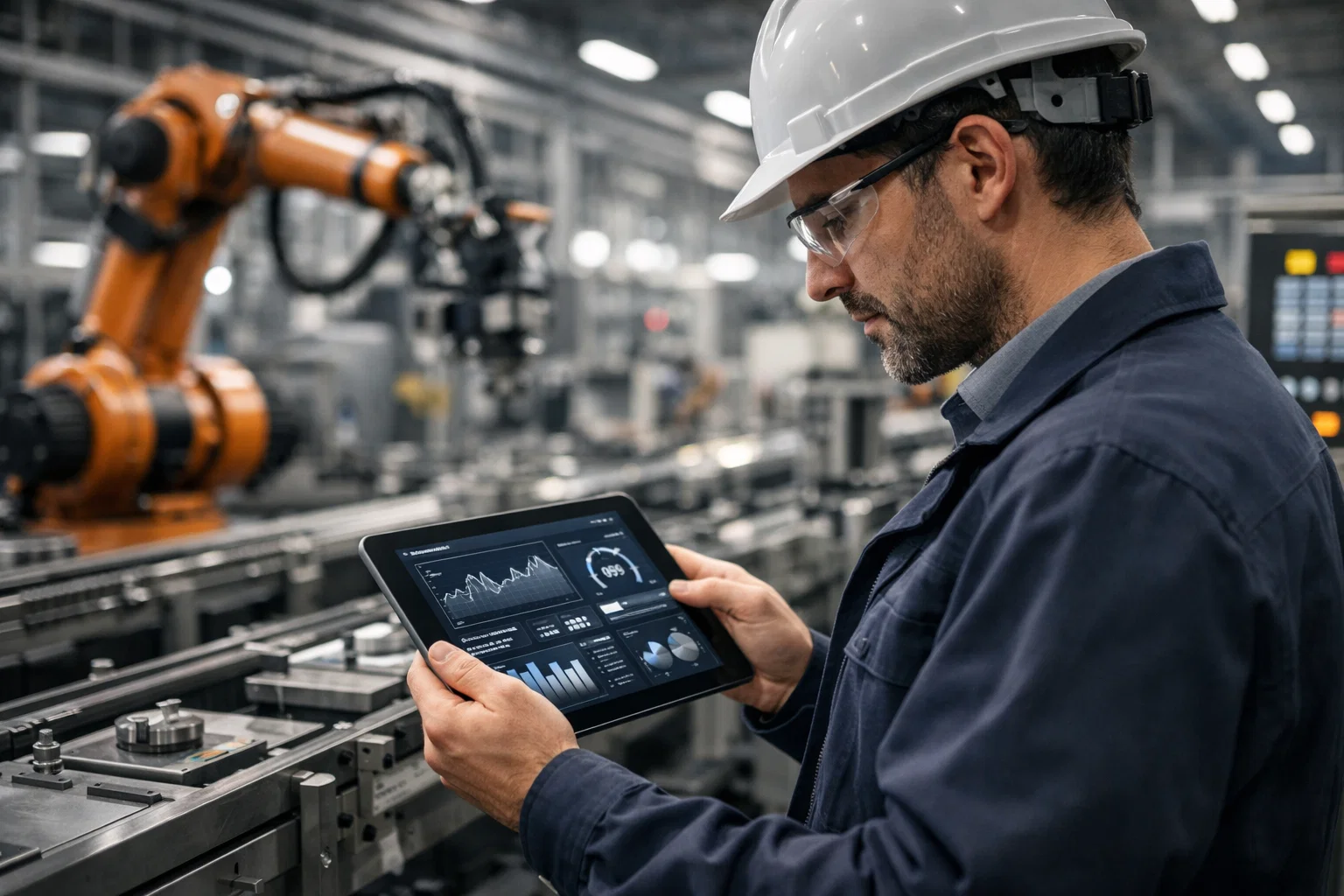
Automation and robotics have become increasingly important in the 21st century, and mechanical engineers are the key enablers. The team designs and integrates robotic solutions and automated systems to replace or support manual systems. The equipment they choose must integrate with the current systems without creating bottlenecks. For this, they work with PLC and control system teams to define motion requirements, cycle times, Computer requirements and load limits so automation performs its intended work in real-world operating conditions.
Mechanical Engineers as Drivers of Industrial Performance
Mechanical engineers are not just technical specialists. They play a central role in the strategic growth and modernisation of today’s technology-driven industrial manufacturing plants. From designing machinery to enhancing workflows and ensuring safety and reliability, their expertise influences every aspect of modern manufacturing.
They come endowed with technical knowledge and problem-solving skills. Through teamwork and supplier and inter-functional collaboration, they can help businesses achieve the pinnacle of operational excellence.
Good engineering teams should be the driving force behind downtime reductions, productivity improvements, better quality and a safer workplace. The bottom line is improved profitability and happier clients.