

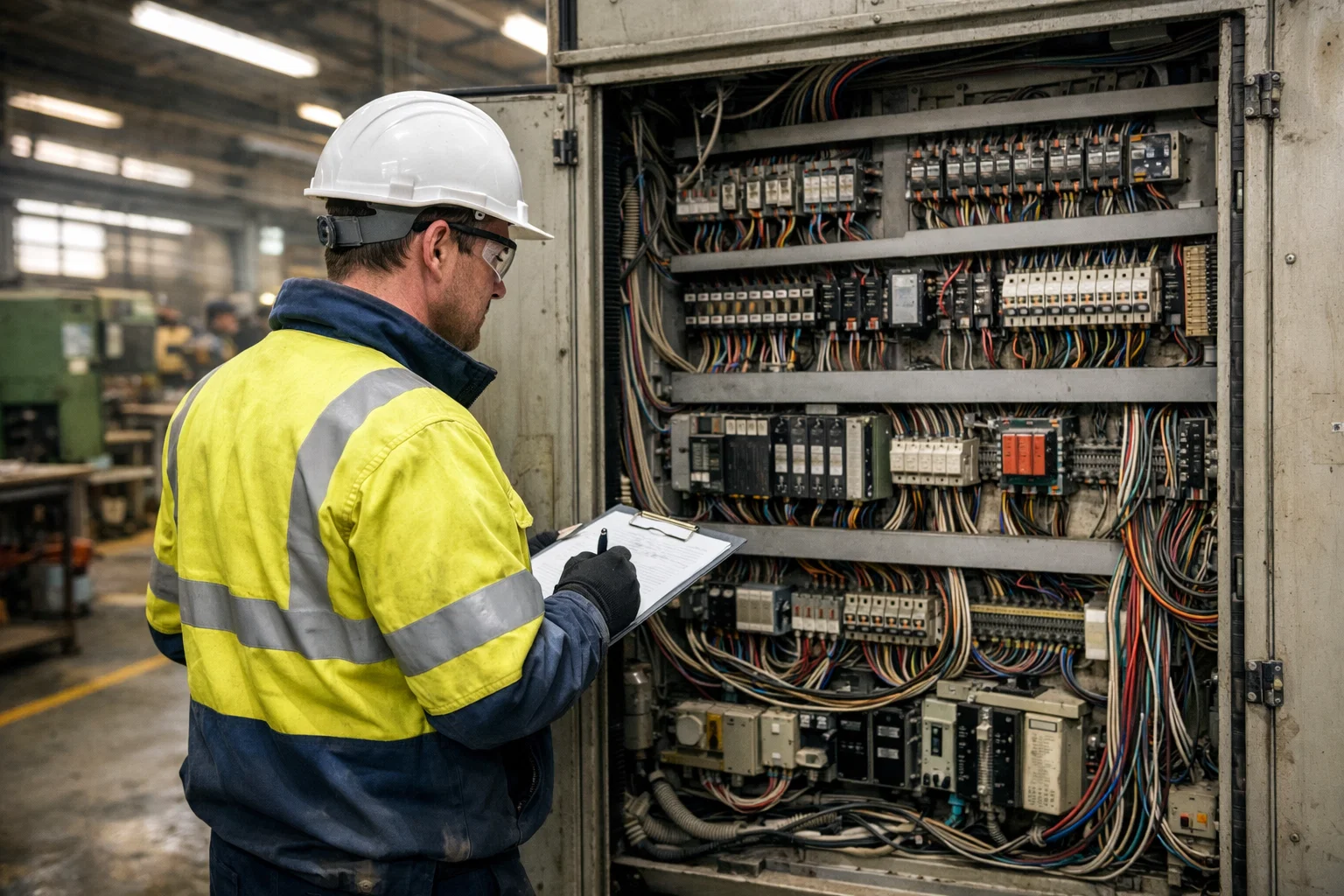
An industrial electrical engineer is usually involved in the parts of manufacturing people only notice when something stops working. Most of the time, electrical systems just sit in the background doing their job, keeping machinery running and production moving. When something goes wrong though, it tends to show straight away, which is why that role ends up being more important than it first sounds.
In a typical manufacturing environment, electrical engineering is not a one-off task. It is ongoing. Systems need to be maintained, faults need to be found and fixed, and control systems have to keep working properly as production changes or scales. Automation, power distribution and general electrical support all tie into that. When it is handled well, things run without much interruption. When it is not, even small issues can slow a production line down pretty quickly.
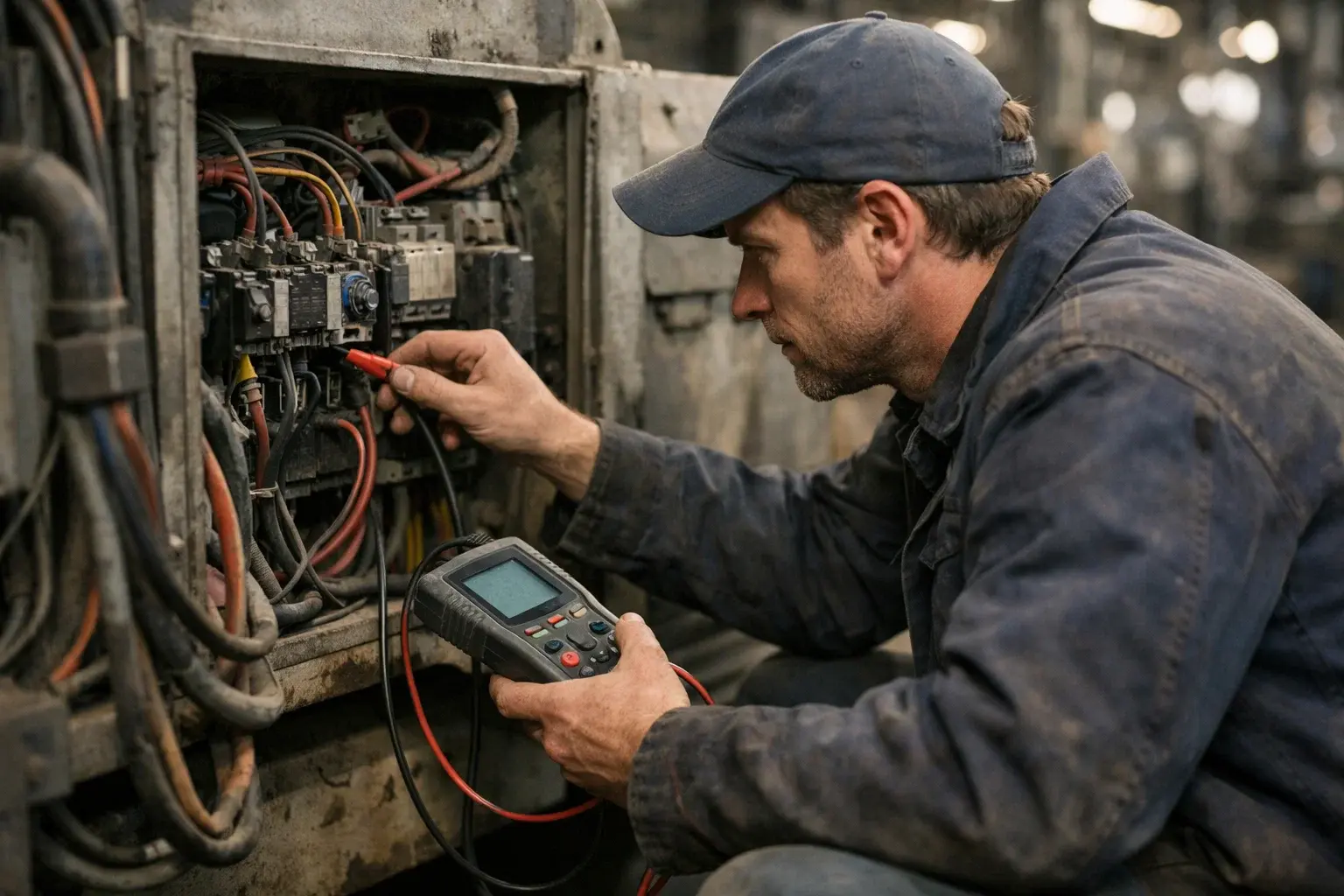
What Does an Industrial Electrical Engineer Actually Do Day to Day?
Day to day, the work is rarely the same. Some days are spent dealing with faults that have stopped part of the machinery from running, other days are more about keeping everything ticking over so those issues do not happen in the first place. A lot of it comes down to maintaining electrical systems and making sure equipment is working as expected before it causes a bigger problem.
There is also a fair bit of time spent around control systems and automation. As production changes, those systems often need adjusting so everything still runs properly. It might be something small, or it might involve working through a larger issue that is affecting the whole process. Either way, the goal is usually the same, keep production moving and avoid unnecessary downtime where possible.
How Electrical Systems Keep Production Lines Running
Most production lines rely on a mix of electrical systems working together in the background. Power needs to be distributed properly, control systems need to respond as they should, and machinery has to stay in sync with everything around it. When all of that lines up, production tends to move without much interruption.
Problems usually start when one part of that system drops out or behaves differently to what is expected. It might be a small fault, or something linked to wear over time, but it can quickly affect the wider process. That is why regular maintenance and attention to how systems are performing matters. Keeping electrical systems stable makes it easier to avoid sudden downtime and helps production stay consistent.
Common Electrical Faults in Manufacturing and How They’re Handled
Faults tend to show up at the worst times. A machine stops, something trips out, or a section of the production line just will not respond the way it should. In a lot of cases, the issue is not immediately obvious. It might be something simple like a worn component, or something buried deeper in the electrical systems that takes a bit more time to track down.
Finding the cause is usually the first step, and that is where experience makes a difference. Electrical fault finding is not always straightforward, especially when different systems are connected and affecting each other. Once the issue is identified, repairs can be carried out and the system tested to make sure everything is working properly again. The aim is not just to fix the problem, but to get things back up and running without causing further disruption to production.
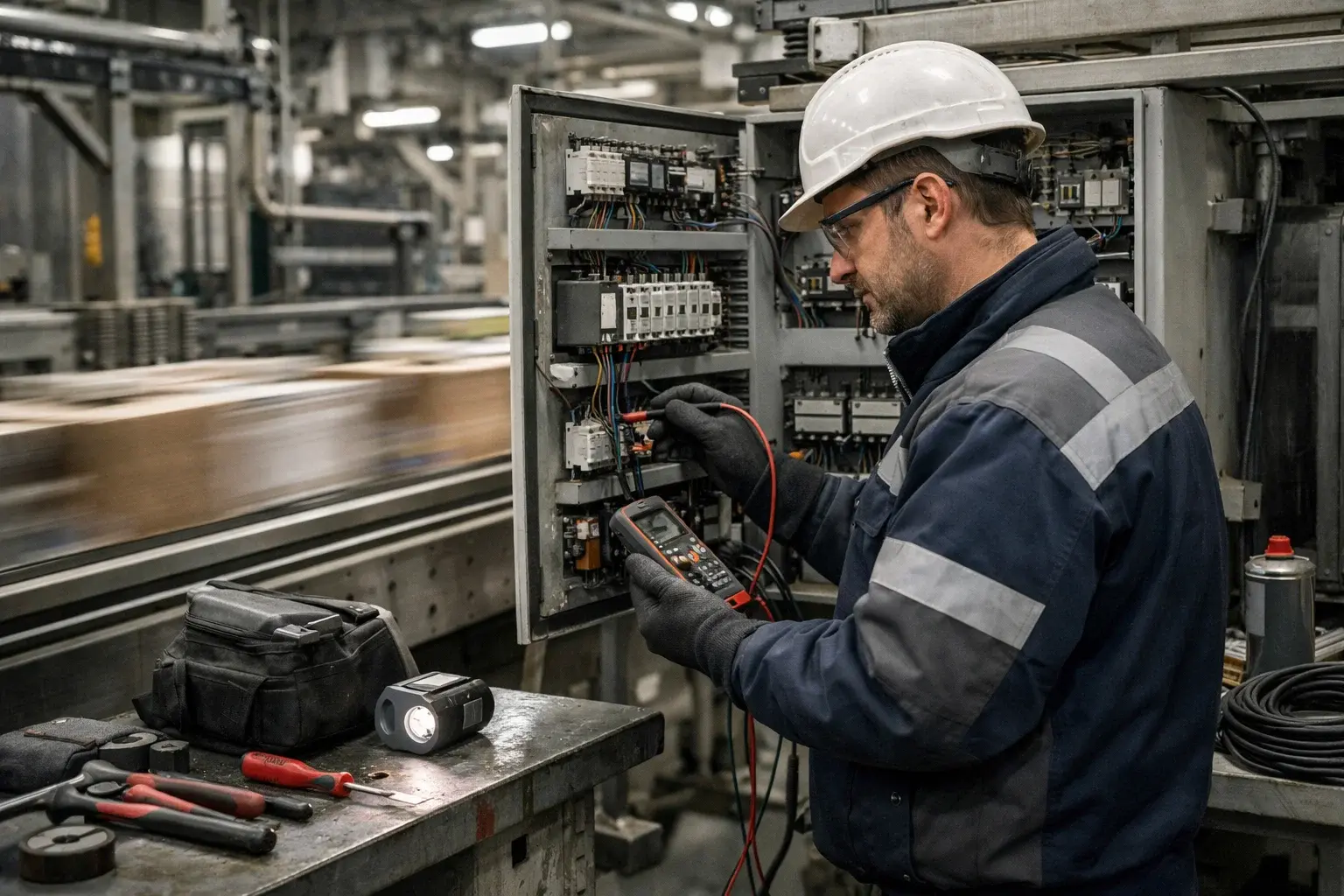
Why Ongoing Electrical Maintenance Matters in Manufacturing
Most of the time, nothing actually breaks straight away. Things just start acting a bit differently. A machine might take longer to start up, or something feels slightly off when it is running. It is easy to ignore at first, especially when everything is still working.
That is usually where maintenance comes in. Not big fixes, just checking things, looking at how equipment is behaving and spotting anything that does not seem right. Sometimes it turns into a repair, sometimes it does not. It just stops those small issues from turning into something that holds production up later on.
Why Integrated Electrical Engineering Support Makes a Difference
It is not always obvious where problems come from on a job. Something stops working, but the issue is not always where you expect it to be. When different teams have been involved at different stages, it can take longer to work out what has actually caused it.
When the same team stays involved, there is usually less of that backtracking. They already know how the systems have been set up and what has changed over time. That makes it easier to deal with faults or carry out work without having to piece everything together first.