Manufacturing machinery is built to handle years of demanding production work, although accuracy problems eventually begin appearing as equipment ages. Small changes in alignment, worn moving parts, vibration, and ageing components can all affect production quality over time. Many manufacturers first notice the issue through rising waste levels, inconsistent finished products, or machinery struggling to maintain high precision across longer production runs.
Older industrial machinery rarely fails all at once. Performance usually declines gradually while maintenance teams attempt to keep production moving. One small issue inside manufacturing equipment can quickly affect the wider production process, especially within modern manufacturing environments where repeatability and efficiency are critical. Understanding why this happens helps manufacturers reduce downtime, improve reliability, and extend the lifespan of valuable machinery.
Wear and Tear Slowly Changes Machine Performance
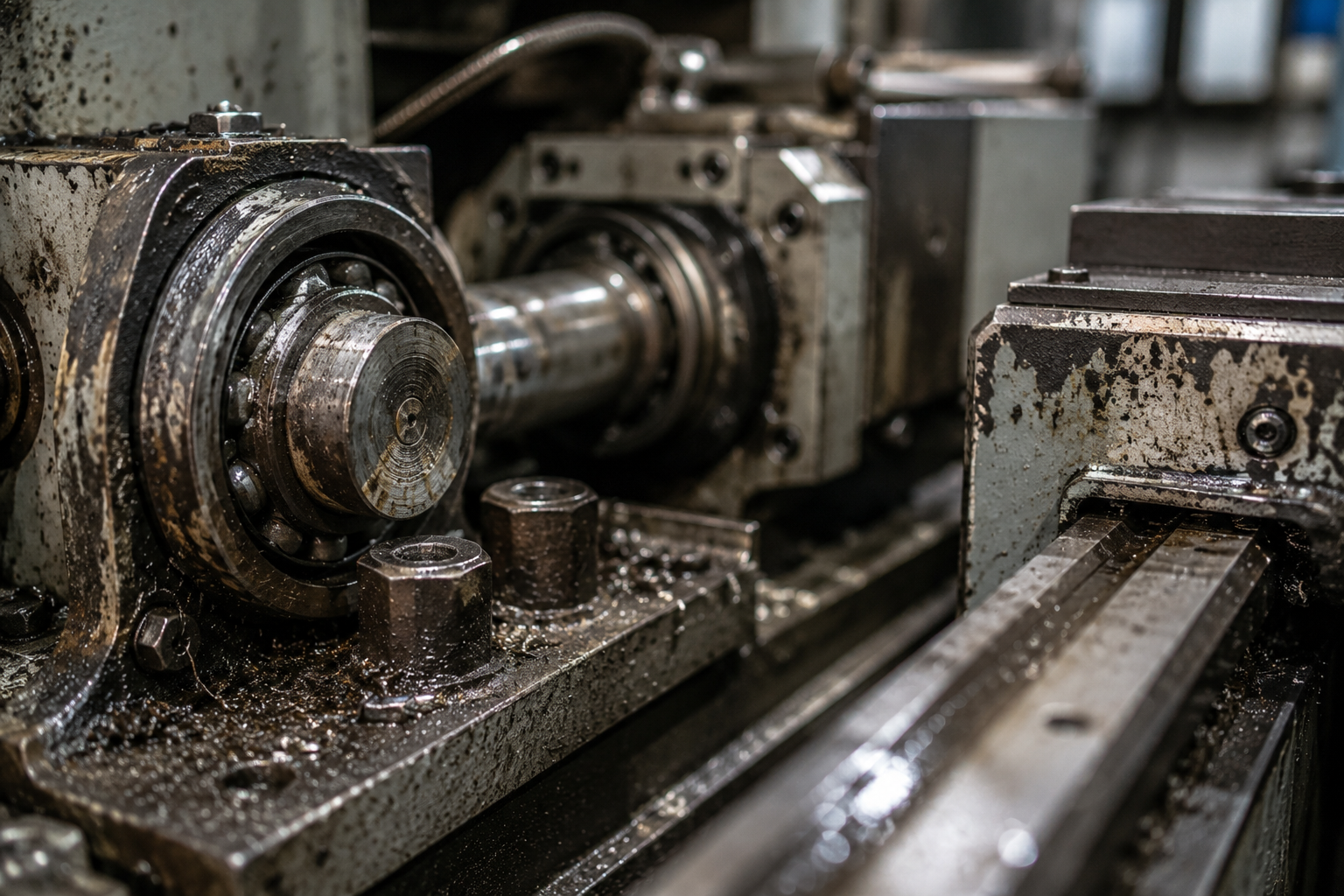
Most manufacturing machinery operates under constant pressure every day. Machine tools, conveyor belts, production lines, and other industrial machines deal with heavy loads, vibration, heat, and continuous movement throughout the production process. Over time, those conditions begin affecting components that were once operating with high precision.
Worn bearings, loose guides, and ageing moving parts can gradually reduce accuracy across manufacturing processes. Many manufacturing companies notice the problem when finished products stop matching the same standards they previously achieved during mass production. Small mechanical issues often create larger operational problems later, especially within manufacturing facilities relying on consistent repeatability and reliable production output.
Vibration Problems Become More Noticeable with Age
Vibration is one of the biggest reasons older machinery starts losing consistency. Production equipment naturally creates movement during operation, although ageing components often make the problem worse over time. Grinding machines, CNC machining equipment, and other manufacturing equipment can all suffer from unstable movement once parts begin wearing down.
Operators usually notice vibration through unusual sounds, rougher operation, or poor repeatability during production. Even small vibration issues can affect precise cutting, finished products, and overall efficiency across production lines. Many industries continue running machinery despite these warning signs, which often leads to more downtime, damaged components, and rising maintenance costs later on.
Alignment Issues Create Inconsistent Production
Alignment problems are another common cause of poor machine performance in industrial machinery. Components inside manufacturing equipment shift gradually through constant use, especially across large scale production environments handling heavy equipment and continuous operations.
CNC milling machines, CNC lathes, and sheet metal fabrication machinery rely heavily on accurate positioning to maintain consistency. Once alignment begins drifting, production processes often become less reliable. Manufacturers may see more waste, inaccurate metal parts, or problems during assembly lines where complex components need to fit together properly.
Poor Maintenance Speeds Up Accuracy Loss
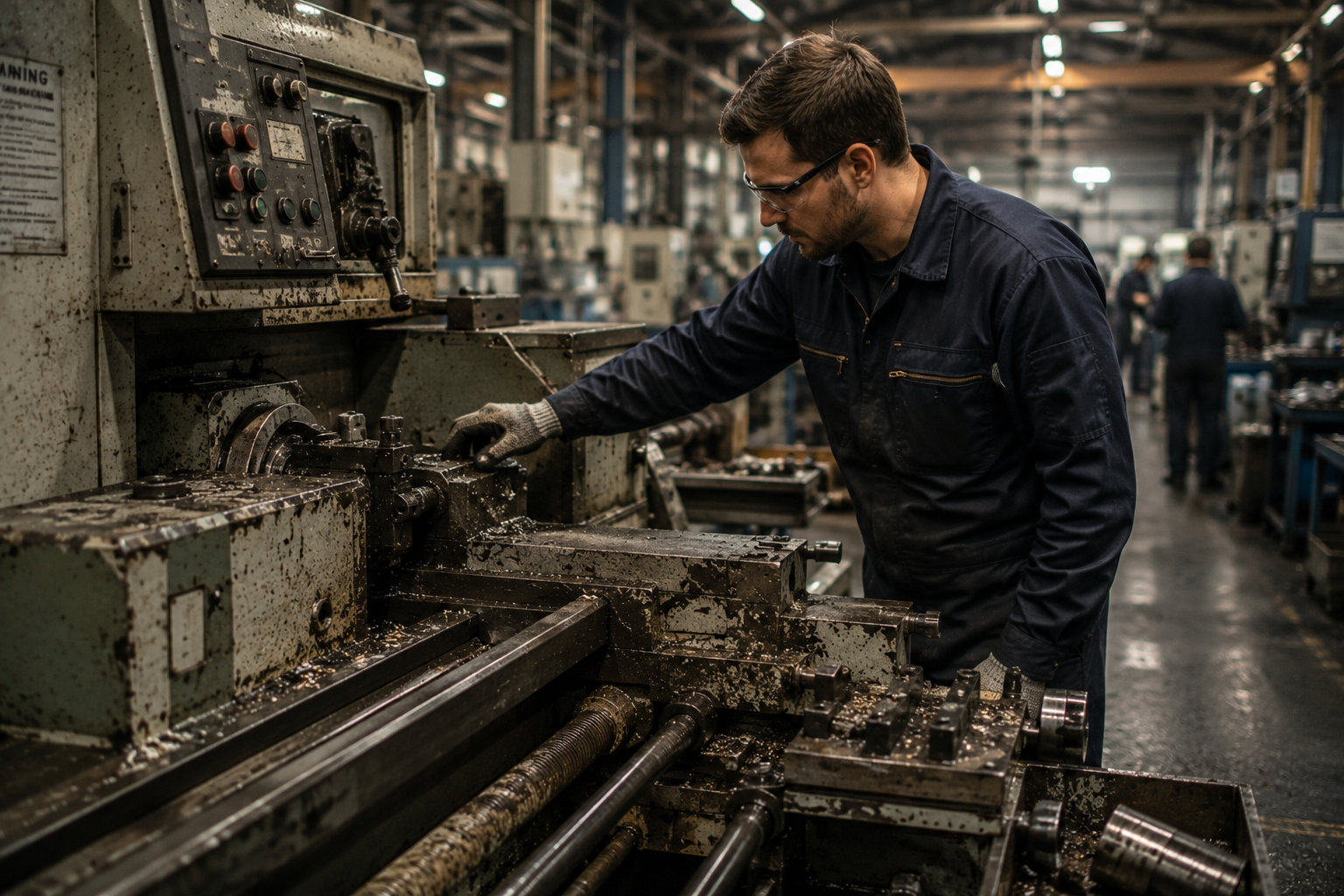
Maintenance problems rarely appear overnight. Manufacturing machinery usually gives smaller warning signs first, although busy production environments do not always spot them early enough. Loose components, worn machine tools, damaged conveyor belts, and ageing systems can slowly affect production quality across manufacturing facilities.
Reactive maintenance often creates bigger problems later in the manufacturing sector. Machinery continues operating while hidden wear spreads through other components and equipment nearby. Production downtime becomes more likely once smaller faults begin affecting operations, efficiency, and the reliability of finished goods moving through the wider production process.
Older Control Systems Also Affect Precision
Mechanical wear is not always the only issue inside ageing manufacturing machinery. Older control systems can also struggle to maintain the same level of accuracy modern manufacturing processes demand. Response times often become slower while production equipment loses some of the consistency it once delivered.
Many manufacturing companies continue using older systems to avoid large replacement costs. That approach can work for years, although ageing controls eventually affect production, machine performance, and efficiency across the wider manufacturing industry. Small delays in positioning or timing can create larger problems later, especially during high speed production involving complex geometries and tight tolerances.
Production Waste Is Usually the First Warning Sign
Many manufacturers notice accuracy problems through rising waste before they notice faults in the machinery itself. Materials that once moved smoothly through production lines may suddenly fail quality checks or require additional finishing work. That creates higher labour costs, slower production, and more pressure across manufacturing operations.
Waste becomes expensive very quickly within modern manufacturing environments. Raw materials, machine time, and energy costs all increase once manufacturing equipment stops operating efficiently. Older machinery can still deliver reliable production for years, although poor repeatability often signals that maintenance or refurbishment work is becoming necessary.
Refurbishment Can Improve Machinery Lifespan
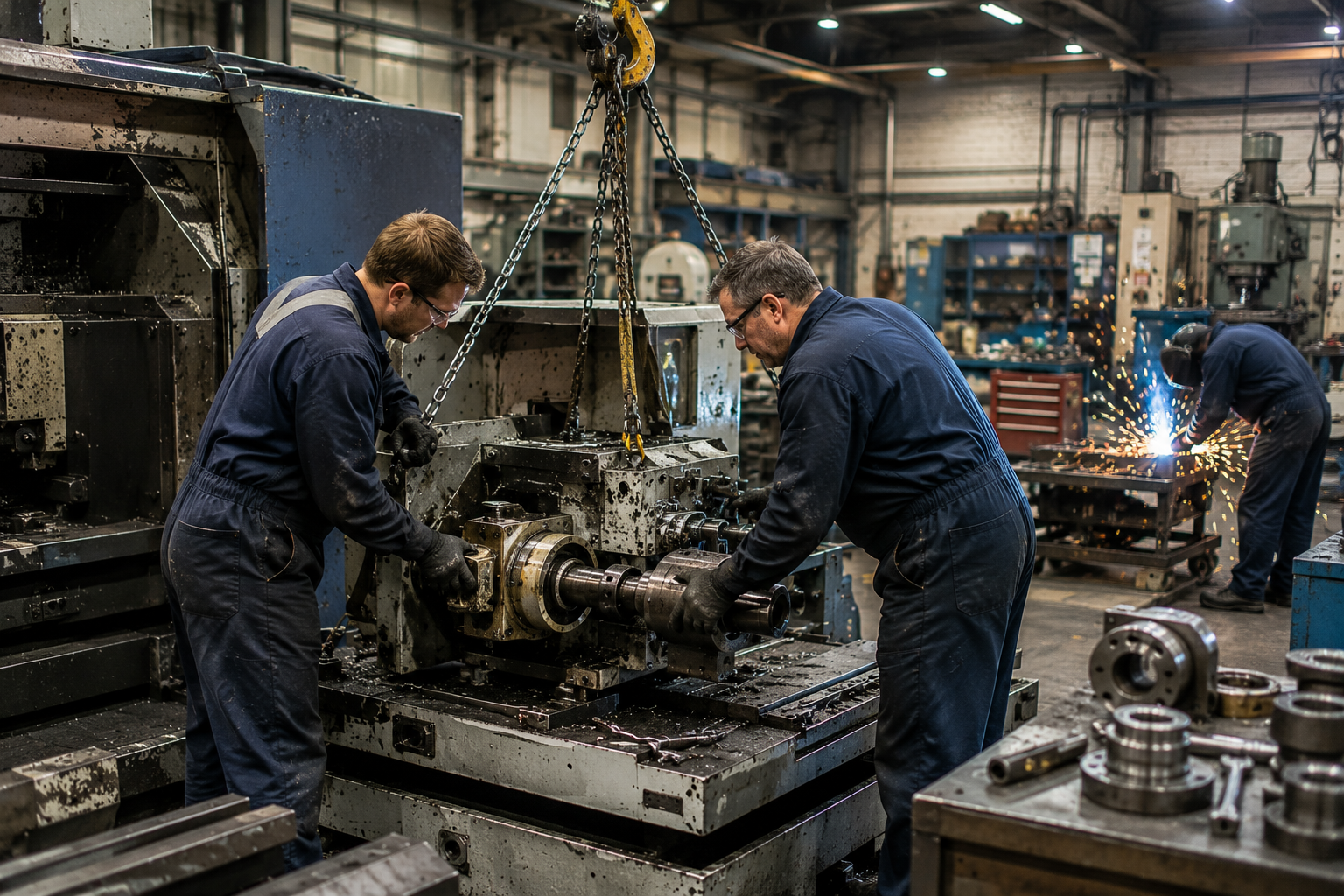
Replacing industrial machinery is not always the best option. Many manufacturers now choose refurbishment work to improve performance without removing entire production systems. Older machines often still have strong structural components despite suffering from worn parts and ageing equipment.
Refurbishment can involve replacing moving parts, improving machine tools, repairing sheet metal sections, or upgrading older systems affecting production efficiency. Manufacturing companies benefit from lower downtime and reduced disruption while keeping valuable manufacturing equipment operating for longer. That approach also helps maintain production output without the cost of completely new machinery.
Regular Inspections Help Manufacturers Stay Ahead
Production machinery rarely becomes inaccurate without warning signs appearing first. Small changes in noise, vibration, movement, or finished products usually happen long before serious failures affect manufacturing operations. Regular inspections help manufacturers spot those issues earlier while keeping machinery running more efficiently.
Many manufacturing companies avoid larger repair costs simply by dealing with smaller maintenance problems sooner. Reliable industrial machinery supports smoother production, lower waste, and better consistency across manufacturing processes. That becomes increasingly important for businesses relying on high precision production and repeatable finished products every day.
Accuracy Problems Often Affect Other Equipment Nearby
One inaccurate machine can easily create wider production issues across manufacturing facilities. Components that leave one stage slightly out of tolerance often create fitting problems later during assembly lines, material handling, or final production processes. Small inaccuracies rarely stay isolated for long in busy manufacturing environments.
Manufacturing companies sometimes focus on the visible production problem instead of the machinery causing it. Poor alignment, worn components, or ageing machine tools can affect finished products across several stages of production. Keeping machinery accurate helps improve efficiency while reducing pressure on surrounding equipment and operations.
Consistent Machinery Performance Supports Better Production
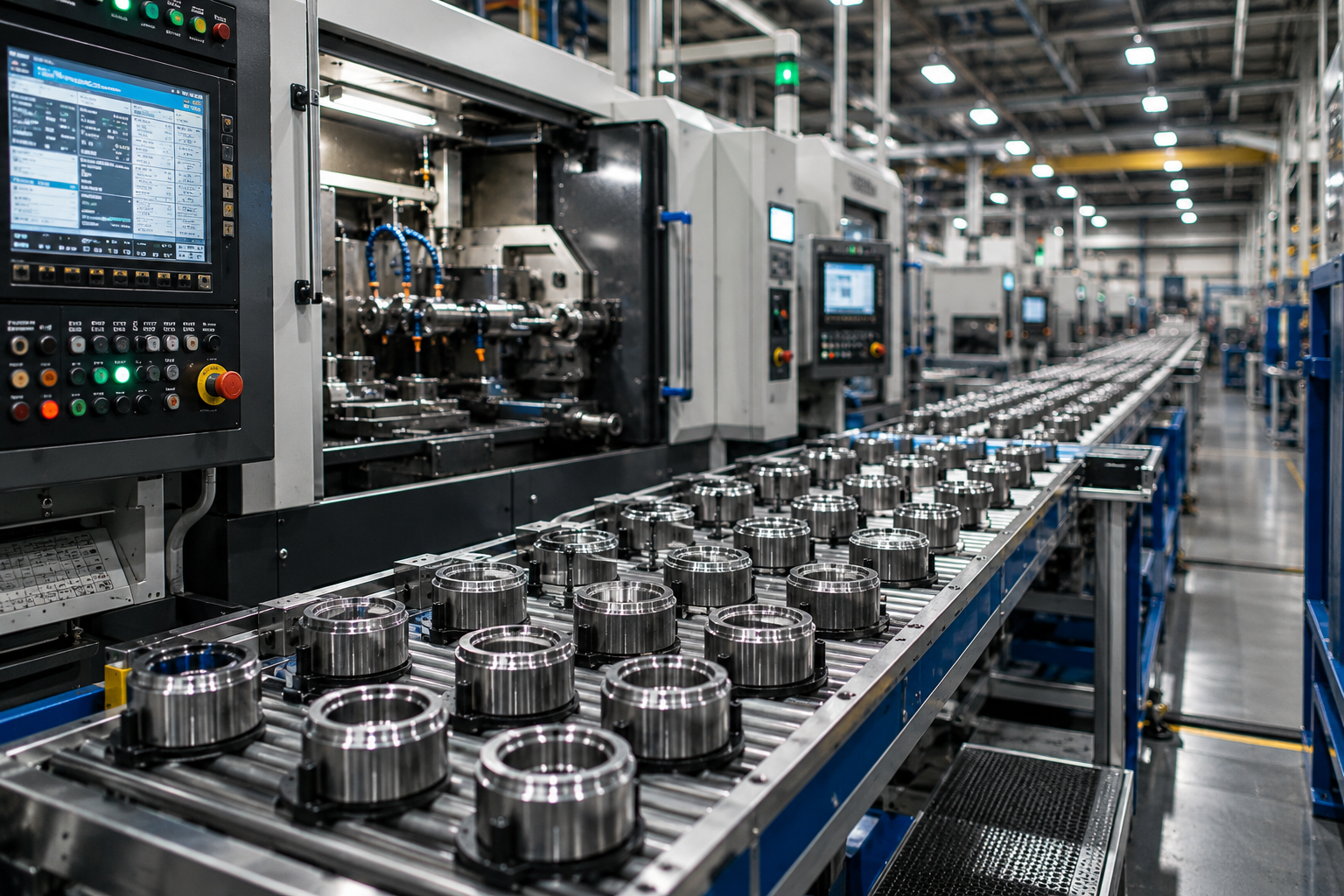
Manufacturers rely on consistent machinery performance to keep production moving smoothly. Small drops in accuracy can quickly affect finished products, production schedules, and overall efficiency across manufacturing facilities. Problems often appear gradually, which is why older equipment sometimes continues operating while hidden faults become worse over time.
Well-maintained manufacturing machinery gives businesses far more control over production quality and downtime. Regular maintenance, inspections, and repairs help industrial machines stay reliable for longer while reducing waste and unnecessary disruption across daily operations.
Small Faults Become Expensive When Ignored
Minor machinery problems rarely stay minor for long. A worn bearing, loose component, or damaged moving part can slowly affect production quality across the wider manufacturing process. Many manufacturers continue running equipment while performance gradually declines, especially during busy production periods.
The longer those problems remain unresolved, the more pressure they place on surrounding components and equipment. Production downtime, rising waste, and inconsistent finished products often follow shortly afterwards. Dealing with smaller maintenance issues earlier usually helps manufacturers avoid larger repair costs and unnecessary disruption later on.
High Precision Production Depends on Reliable Equipment
High precision manufacturing leaves very little room for error. CNC machining, grinding machines, and other advanced machines all rely on stable movement and accurate positioning throughout production. Even small issues inside manufacturing machinery can affect complex components and finished products.
Reliable equipment helps manufacturers maintain smoother production across various industries. Better accuracy usually leads to lower waste, improved efficiency, and fewer interruptions across production lines. Older machinery can still support modern manufacturing successfully when maintenance and engineering support remain consistent.
Reliable Machinery Helps Production Stay Consistent
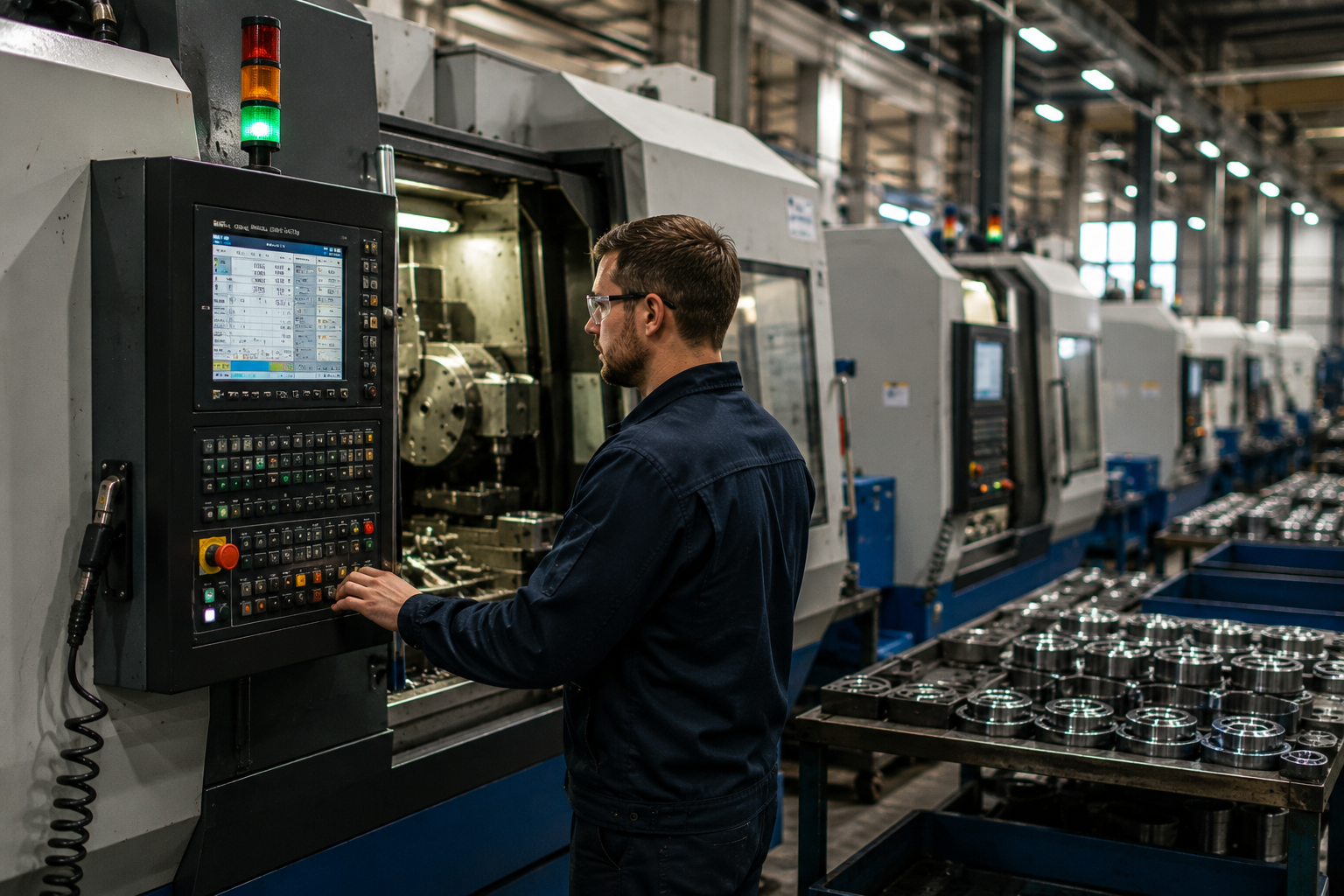
Busy production environments rely on machinery performing consistently every day. Small changes in machine accuracy can affect finished products, slow production, and create unnecessary pressure across manufacturing operations. Many issues begin developing quietly while equipment still appears to be running normally.
Regular maintenance and engineering checks help manufacturers keep production equipment working more reliably for longer. Older machinery often continues delivering strong results when components, moving parts, and systems are looked after properly.
Downtime Usually Starts with Smaller Performance Issues
Unexpected downtime rarely happens without warning. Production machinery often shows smaller signs of trouble first, such as inconsistent movement, unusual vibration, or reduced accuracy during manufacturing processes. Those problems are easy to overlook when production lines are busy and output targets remain the main focus.
Many manufacturers only investigate machinery once production stops completely. Smaller faults inside industrial machinery usually become more expensive by that stage. Early maintenance work often helps reduce disruption while keeping equipment operating more efficiently across daily production.
Older Equipment Often Hides Problems Internally
Machinery does not always show obvious signs of wear straight away. Many industrial machines continue operating daily while internal components slowly begin losing accuracy. Worn machine tools, ageing systems, and damaged moving parts can all affect production quality long before complete failure happens.
Manufacturing companies sometimes discover these problems through rising waste or inconsistent finished products rather than visible breakdowns. Regular inspections help identify hidden issues earlier while keeping manufacturing equipment operating more reliably across production lines.
Keeping Production Moving Is the Main Priority
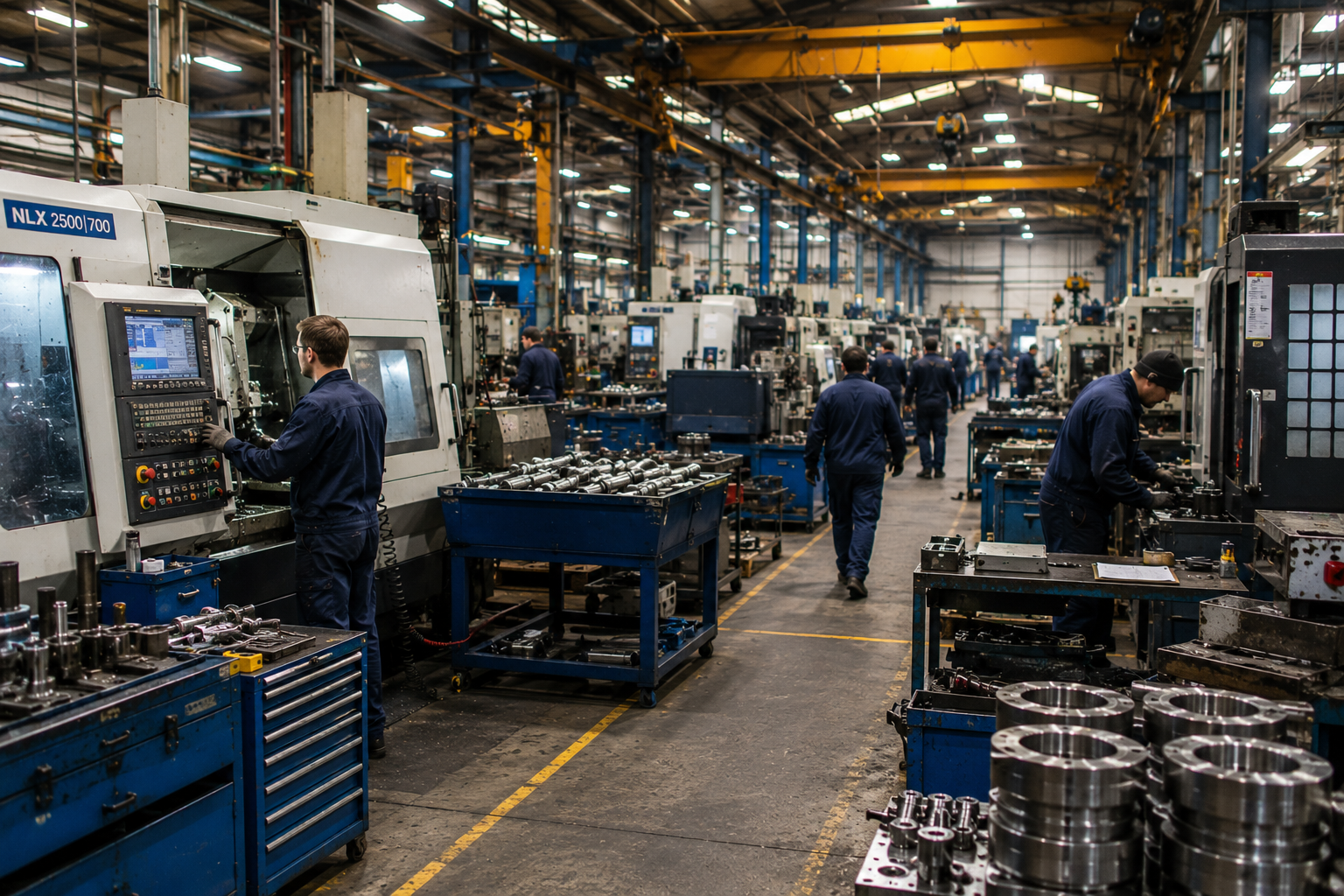
Most manufacturers cannot afford ongoing production delays caused by ageing machinery. Small accuracy problems often grow slowly in the background while production continues as normal. Over time, those issues can affect finished products, increase waste, and place extra pressure on daily operations.
Singleton Engineering works with manufacturers across the UK to help keep machinery running reliably through maintenance, refurbishment, fabrication, and engineering support. Whether equipment is struggling with wear, alignment issues, or declining production accuracy, experienced engineering support can help reduce downtime and keep production running more smoothly.
Machinery Condition Affects More Than Just Production
Machinery problems often create issues outside the machine itself. Production delays, inconsistent finished products, and rising waste levels usually place extra pressure on operators, maintenance teams, and wider manufacturing operations. Small faults can slowly affect efficiency across entire production lines without causing an immediate breakdown.
Keeping manufacturing equipment in good condition helps production stay more stable during busy periods. Regular maintenance and engineering support also help manufacturers avoid larger repair work later while improving reliability across daily operations.
Production Targets Become Harder to Maintain with Unreliable Equipment
Production teams rely on machinery staying consistent throughout the working day. Once equipment starts drifting away from normal performance levels, even small inaccuracies can slow production and create problems further down the line. Many manufacturers first notice the issue through inconsistent finished products or rising material waste.
Reliable machinery helps manufacturing operations stay far more predictable. Regular maintenance, repairs, and inspections allow production equipment to keep running smoothly while reducing unnecessary downtime during busy production periods.
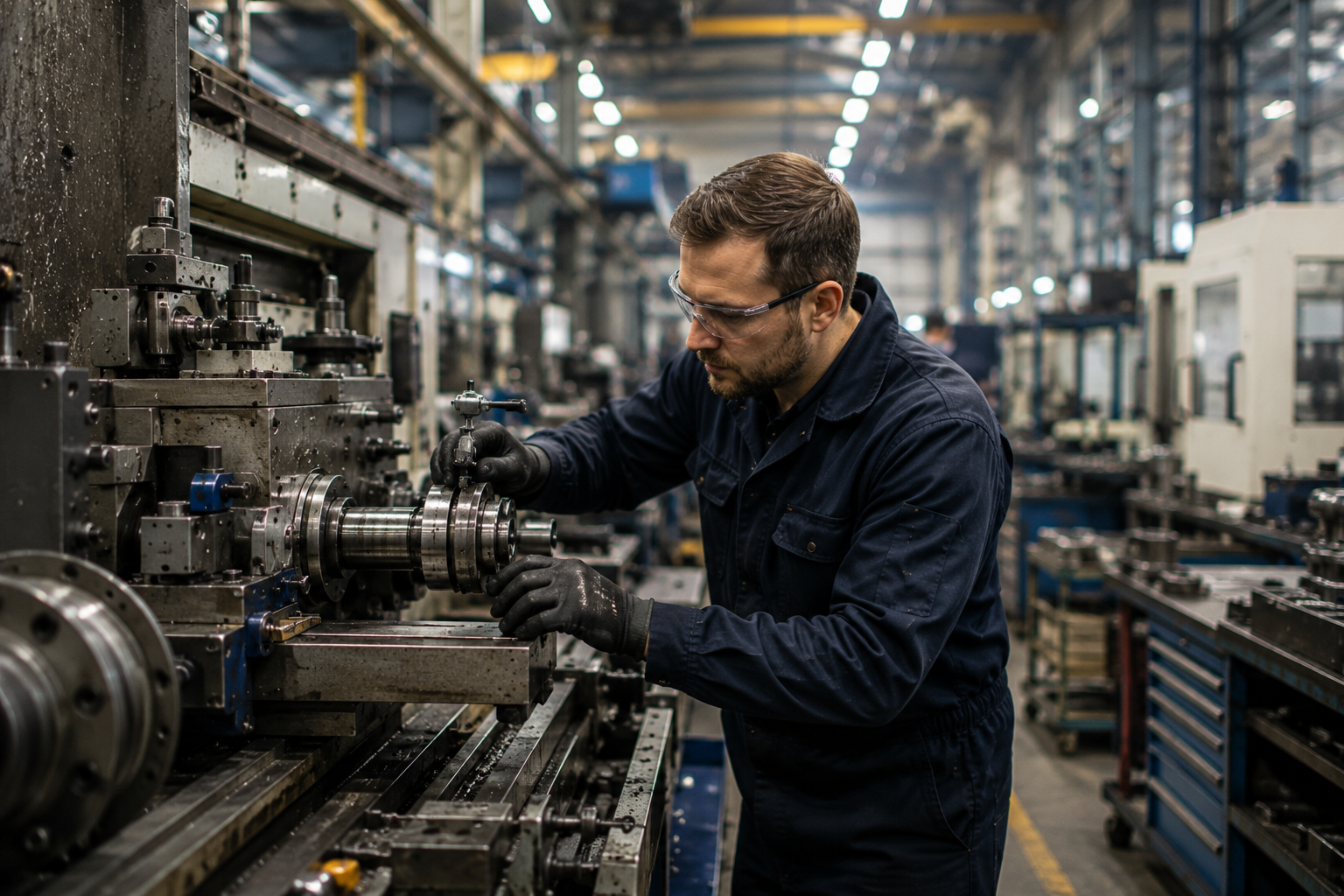
Keeping Production Running Smoothly Takes Consistent Engineering Support
Most manufacturers only notice machinery problems once production starts slowing down or finished products become inconsistent. Smaller issues usually begin much earlier, especially on older equipment handling demanding daily workloads. Keeping machinery maintained properly helps avoid unnecessary disruption across busy production environments.
Singleton Engineering works with manufacturers across the UK to support production machinery through maintenance, repairs, fabrication, and engineering support. Reliable equipment helps production stay more consistent while reducing downtime, waste, and pressure on day-to-day operations.