

Poor metal fabrication causes more production problems than many manufacturers realise. Small inaccuracies during manufacturing processes can affect assembly line performance, production efficiency, and the quality of the final product later on. One badly fabricated component can slow an entire production line, especially within modern manufacturing environments relying on high precision and repeatable production.
Many manufacturers focus heavily on production speed, although fabrication quality often determines how smoothly operations run day to day. Problems with sheet metal fabrication, poor tolerances, or inconsistent components usually create delays further into the production process. Reliable fabrication helps manufacturers reduce costs, improve efficiency, and keep production moving more consistently across busy manufacturing operations.
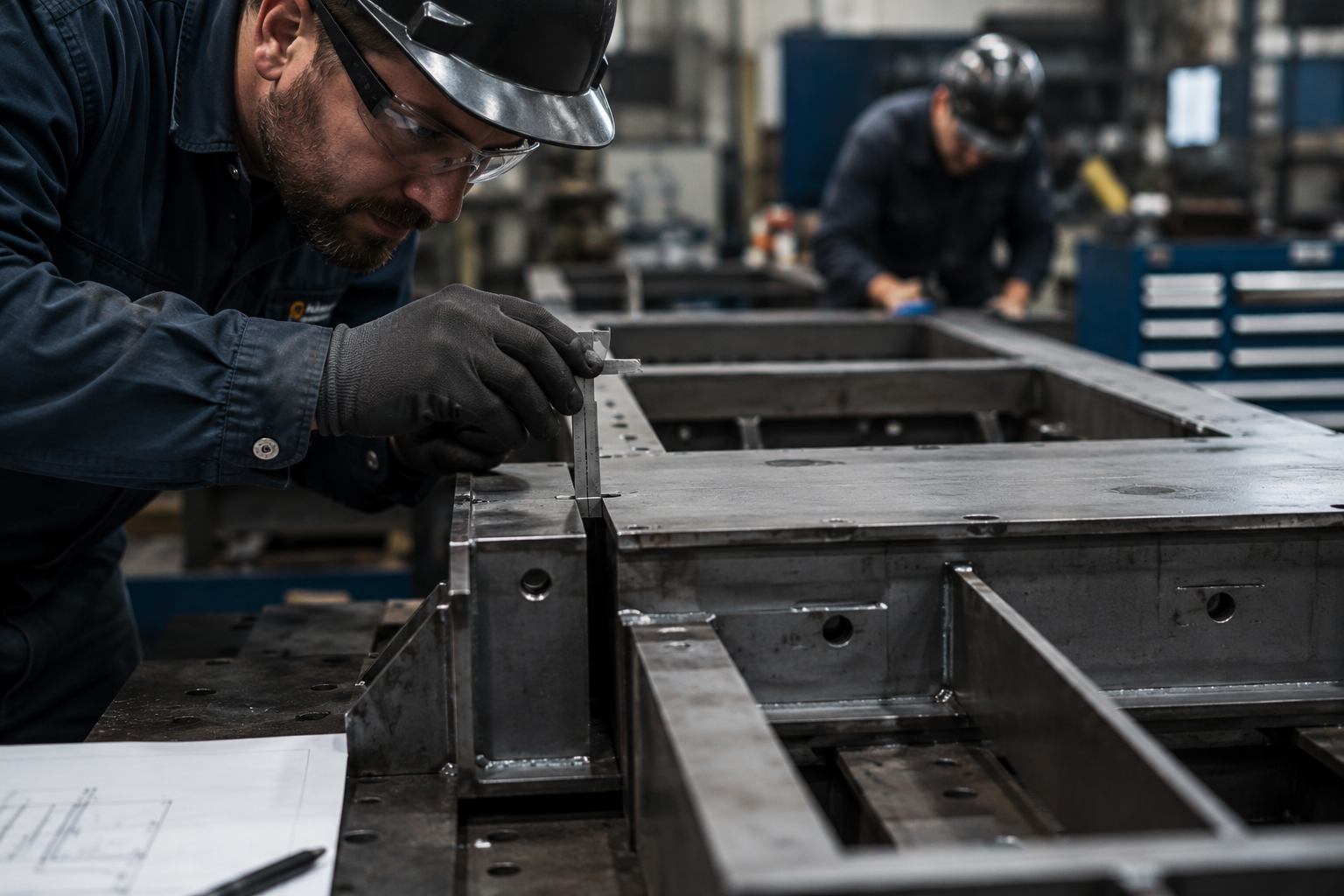
Poor Tolerances Create Problems Later in Production
Small tolerance issues often become much bigger production problems later in the manufacturing process. Components that appear acceptable during fabrication may not fit correctly once they reach the assembly line or final assembly stage. Production teams then lose time adjusting parts, reworking materials, or stopping operations completely while problems are fixed.
High precision fabrication helps manufacturers keep production running more efficiently. Accurate components improve fit-up, reduce waste, and help production lines run continuously without unnecessary delays. Many industries rely heavily on repeatable manufacturing processes where even minor fabrication inaccuracies can affect the final product.
Inaccurate Components Slow Down Assembly Work
Assembly problems are one of the clearest signs of poor fabrication quality. Components that are slightly out of position or incorrectly cut often create delays once production begins. Teams then spend extra time modifying parts, adjusting equipment, or trying to force components into place.
Reliable fabrication helps assembly processes move far more smoothly. Accurate metal components reduce disruption across production lines while helping manufacturers maintain better efficiency and more consistent production output. That becomes especially important during large scale manufacturing where delays can quickly affect wider operations.
Welding Distortion Creates Fitting Problems
Heat distortion during fabrication can easily affect how components fit together later in production. Sheet metal and larger fabricated sections sometimes shift slightly during welding, especially when heavy loads or large components are involved. Small movement during fabrication often creates bigger alignment problems once assembly starts.
Good fabrication methods help manufacturers maintain better consistency across production processes. Accurate welding and proper quality control reduce waste while helping final products move through assembly lines more efficiently. Reliable fabrication also helps manufacturers avoid unnecessary delays caused by rework and fitting adjustments.
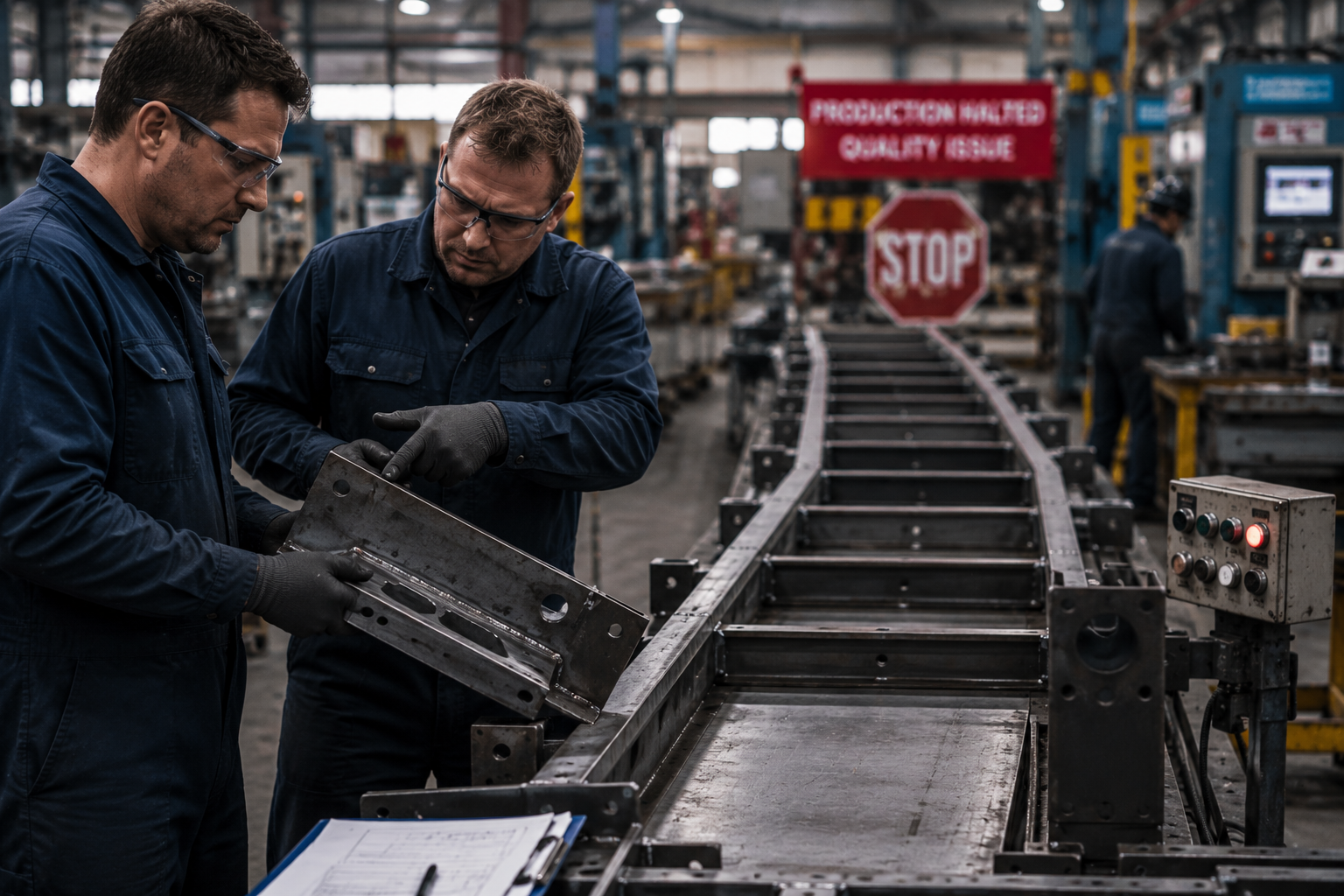
Production Delays Often Start with Small Metal Fabrication Errors
Many production delays begin with problems that looked minor during fabrication. A poorly cut section, inaccurate hole position, or uneven fabricated component can create larger issues once production machinery and assembly processes start relying on those parts fitting properly.
Small fabrication errors often slow manufacturing operations far more than expected. Production teams may need to stop work, adjust components, or reorder materials before the process can continue normally. Reliable fabrication helps manufacturers keep production moving while reducing waste, downtime, and unnecessary disruption across the wider manufacturing process.
Material Selection Affects Manufacturing Performance
Choosing the wrong materials can create production problems long after fabrication is finished. Some materials react differently during cutting, welding, and assembly processes, especially when manufacturing involves heavy items, high precision work, or complex geometries. Softer materials may distort more easily while harder materials can create additional stress on machines and tools.
Suitable material selection helps manufacturers improve efficiency and maintain more reliable production processes. Better material performance usually leads to stronger components, smoother assembly work, and fewer delays across manufacturing operations. Reliable fabrication also helps reduce waste while improving the consistency of the finished product.
Poor Communication Creates Delays Across Production
Fabrication work becomes far more difficult when teams are not working from the same information. Small differences between drawings, measurements, or production requirements can quickly create problems once components reach the assembly line. Many manufacturers only discover those issues after production has already started.
Clear communication helps production move much more smoothly from fabrication through to final assembly. Accurate information reduces wasted materials, avoids unnecessary rework, and helps manufacturing processes stay more consistent during busy production periods.
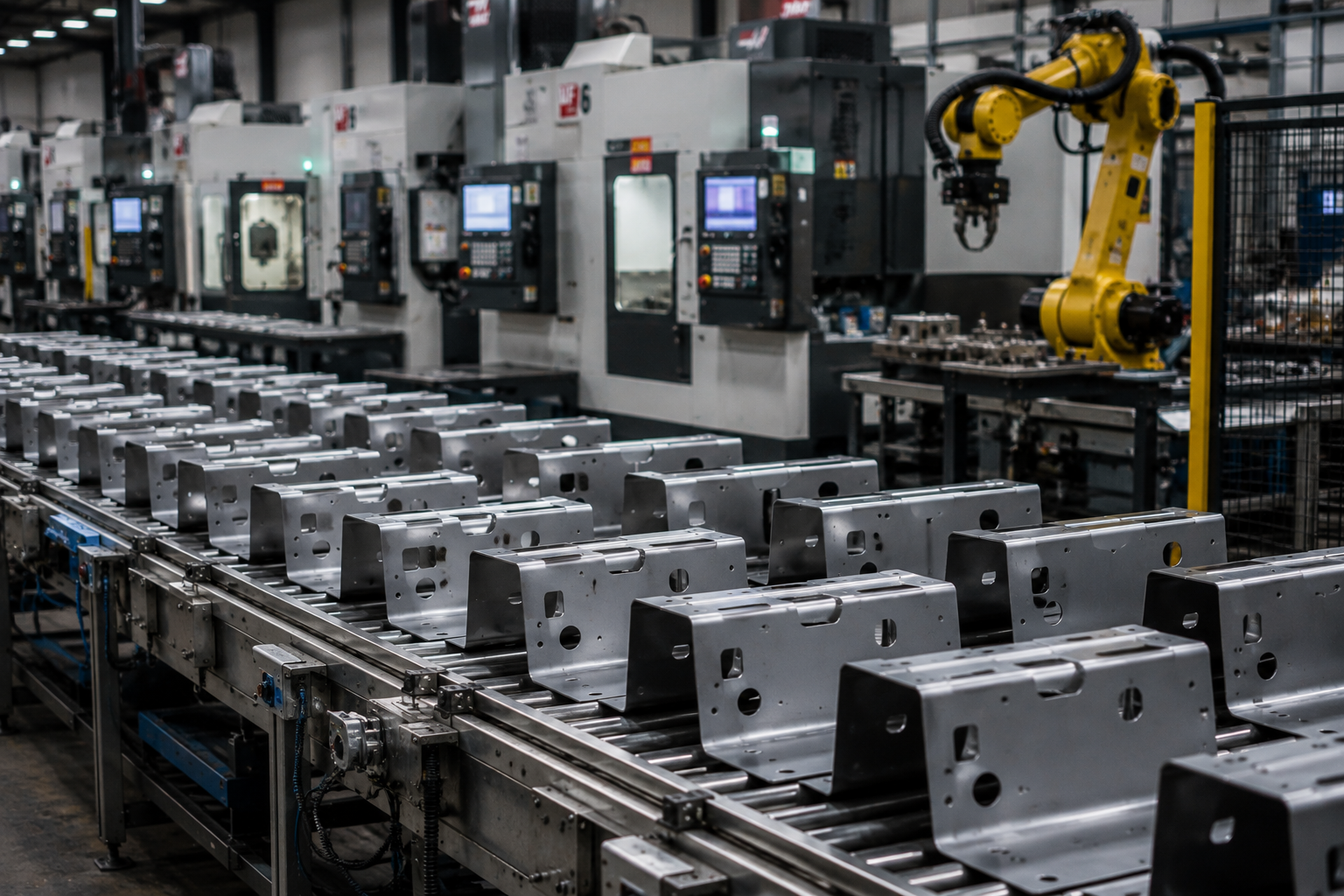
Repeat Production Depends on Consistent Fabrication
Repeat production only works properly when fabricated components stay consistent from one batch to the next. Small differences between parts can create ongoing problems across production lines, especially during mass production where machinery and assembly processes rely on accurate positioning every time.
Reliable fabrication helps manufacturers maintain better efficiency across manufacturing operations. Consistent components reduce delays, improve quality control, and help production processes run more smoothly during busy periods.
Rework Quickly Increases Production Costs
Rework slows production far more than many manufacturers expect. Production teams often lose valuable time correcting fabrication problems that should have been resolved earlier in the process. Small inaccuracies can easily affect assembly work, final product quality, and wider manufacturing operations.
Reliable fabrication helps manufacturers reduce costs while improving production efficiency. Accurate components move through production lines more smoothly, which helps reduce waste, downtime, and unnecessary disruption across manufacturing processes.
Reliable Metal Fabrication Helps Production Stay Efficient
Efficient production depends heavily on fabrication quality. Components that are produced accurately help assembly lines run more smoothly while reducing delays across manufacturing operations. Poor fabrication often creates unnecessary disruption later in the production process, especially when machinery and systems rely on precise fit-up.
Reliable fabrication also helps manufacturers improve consistency across large scale production. Better accuracy reduces waste, improves efficiency, and helps final products move through production lines without constant adjustments or rework.
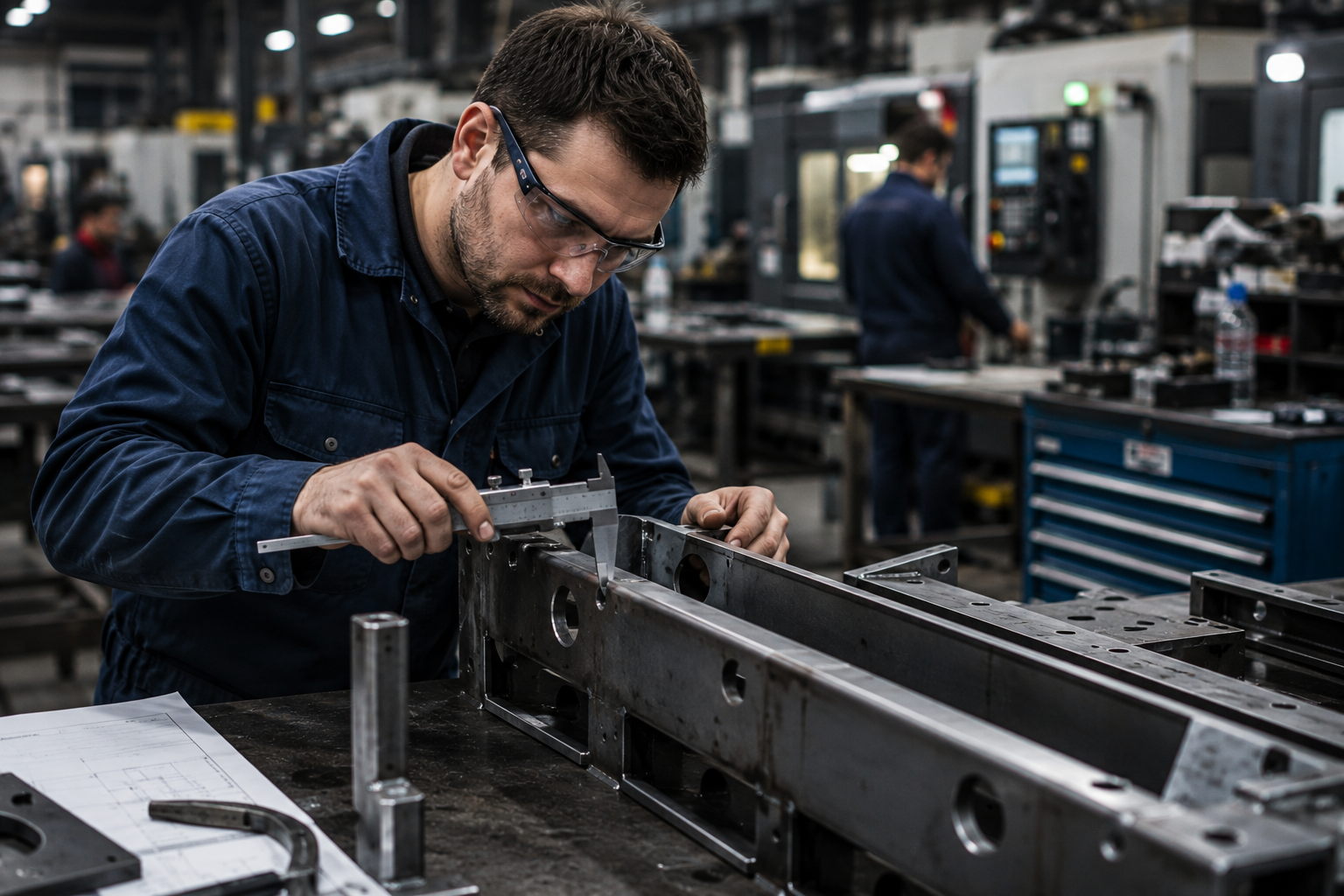
Quality Control Problems Usually Begin Earlier in Production
Quality control issues often start long before the finished product reaches inspection. Poor fabrication, inaccurate components, and inconsistent assembly work can all create problems during earlier manufacturing processes. Many manufacturers only discover these faults once production has already slowed down.
Reliable fabrication helps manufacturers maintain better consistency across production lines and final assembly. Accurate components improve efficiency while reducing waste, delays, and unnecessary pressure across wider manufacturing operations.
Production Equipment Performs Better with Accurate Components
Production equipment relies heavily on fabricated components fitting correctly throughout the manufacturing process. Small inaccuracies can affect machinery performance, assembly work, and production efficiency across the wider operation. Problems often become more noticeable once production lines start running continuously during busy periods.
Accurate fabrication helps manufacturers keep production moving more reliably. Consistent components reduce pressure on machinery while helping production processes stay smoother and more efficient across daily operations.
Automated Systems Still Depend on Good Fabrication
Modern manufacturing uses automated systems to improve efficiency and help production lines run continuously. Even advanced machines and automation equipment still rely on fabricated components being accurate and consistent throughout the production process.
Poor fabrication can create ongoing problems for automated production lines. Inaccurate components may affect positioning, movement, and assembly work while increasing downtime and unnecessary disruption across manufacturing operations.
Fabrication Quality Affects More Than Just One Process
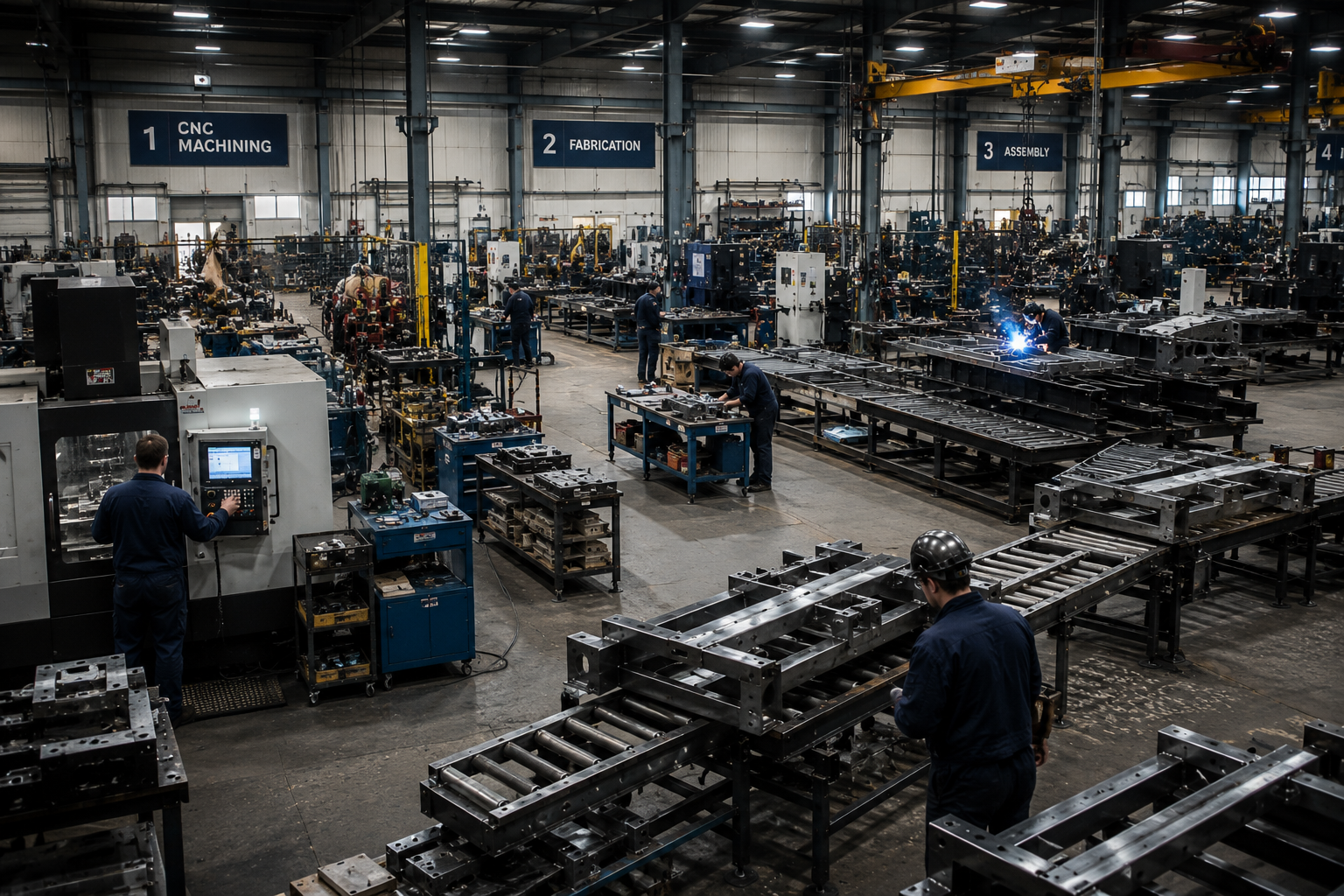
Fabrication problems rarely stay isolated to one stage of production. A poorly manufactured component can affect assembly work, production equipment, packaging processes, and final product quality further down the line. Small issues often spread quickly across manufacturing operations once production starts running at full pace.
Reliable fabrication helps manufacturers keep processes more stable across daily production. Accurate components improve efficiency while reducing waste, delays, and unnecessary disruption throughout the wider manufacturing process.
Consistent Fabrication Helps Manufacturers Meet Demand
Manufacturers under pressure to meet demand rely heavily on production processes staying consistent. Delays caused by inaccurate fabrication can quickly affect assembly lines, delivery schedules, and wider manufacturing operations. Small production problems often become more serious once output levels increase.
Reliable fabrication helps manufacturers keep production moving more smoothly during busy periods. Accurate components improve efficiency while reducing waste, rework, and unnecessary delays across the production process.
Manufacturing Delays Often Lead to Higher Operating Costs
Production delays affect far more than delivery times. Manufacturing companies often face rising labour costs, wasted materials, and reduced efficiency once fabrication problems begin slowing production lines. Small delays during one process can easily create larger operational problems later.
Reliable fabrication helps manufacturers reduce costs while improving production consistency. Accurate components move through manufacturing processes more smoothly, which helps production teams maintain better efficiency during busy operations.
Reliable Fabrication Supports Better Long-Term Production
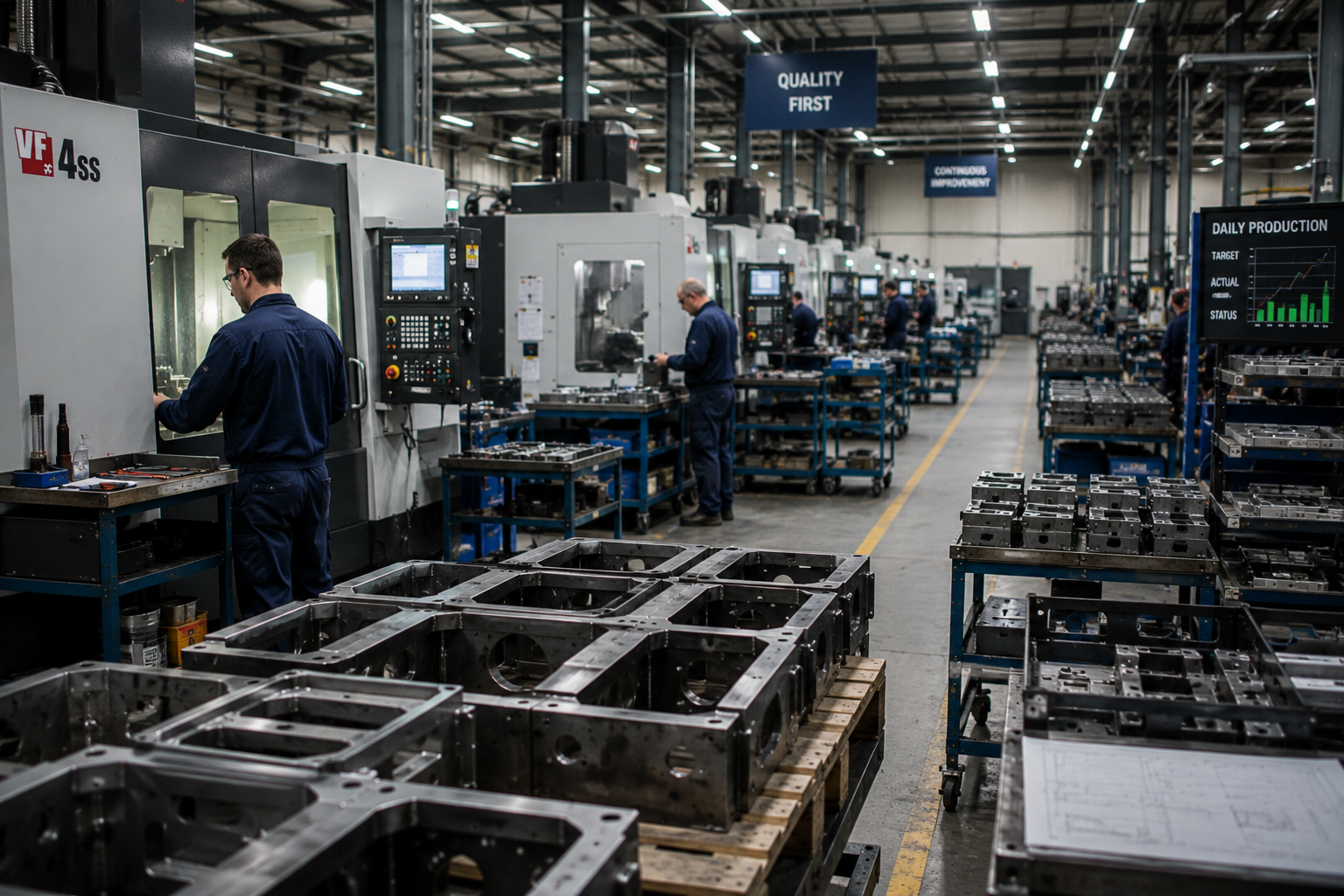
Manufacturing businesses rely on production staying consistent over long periods of time. Poor fabrication can create repeated problems across manufacturing processes, especially when components need to be assembled accurately during daily production operations.
Reliable fabrication helps manufacturers improve efficiency while keeping production equipment and assembly lines operating more smoothly. Accurate components also help reduce waste, downtime, and unnecessary disruption across wider manufacturing operations.
Better Metal Fabrication Helps Production Stay Predictable
Manufacturers rely on predictable production to keep operations running smoothly. Fabrication problems often create uncertainty across production lines, especially when components arrive late, fail quality checks, or require unexpected rework before final assembly.
Reliable fabrication helps manufacturers maintain more stable production processes day to day. Accurate components improve efficiency while helping production equipment, assembly work, and wider manufacturing operations run with fewer interruptions.
Poor Metal Fabrication Makes Scaling Production Much Harder
Scaling production becomes difficult when fabrication quality is inconsistent. Components that vary between batches often create problems across assembly lines, production equipment, and final assembly processes. Small inaccuracies can quickly slow manufacturing operations once production volumes increase.
Reliable fabrication helps manufacturers maintain better consistency during large scale production. Accurate components improve efficiency while helping production lines stay smoother, faster, and more reliable during busy manufacturing periods.
Production Problems Usually Start Earlier Than Expected
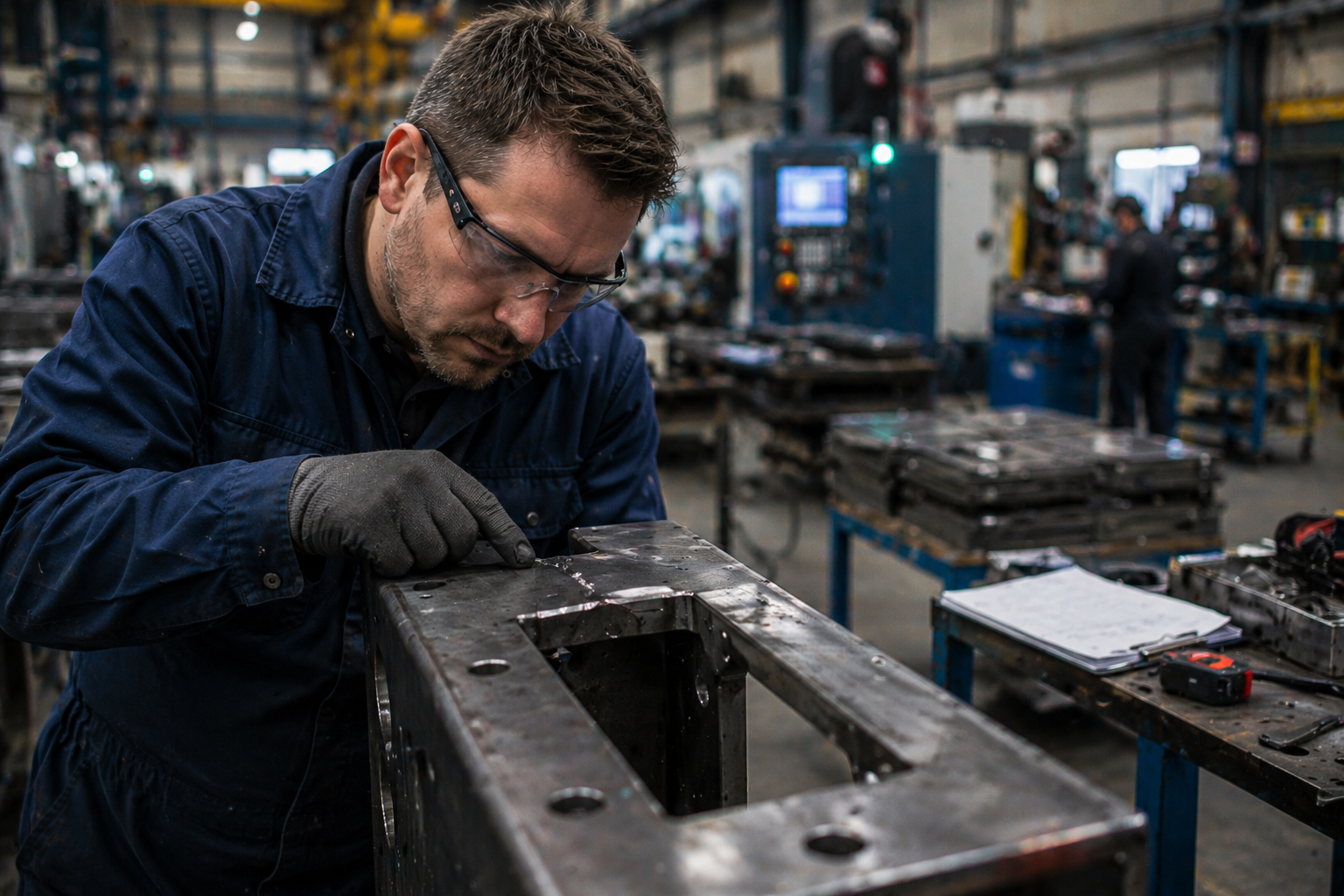
Many manufacturing problems begin long before production fully slows down. Small fabrication issues often appear earlier in the process, although they become more noticeable once production lines are operating under pressure. Inaccurate components, poor fit-up, and inconsistent fabrication can all affect wider manufacturing operations later on.
Reliable fabrication helps manufacturers avoid unnecessary disruption across daily production. Accurate components improve efficiency while helping assembly lines, machinery, and production processes operate more consistently during busy manufacturing periods.
Reliable Metal Fabrication Helps Keep Production Moving
Production runs far more smoothly when fabrication quality stays consistent from the start. Accurate components help assembly lines, machinery, and manufacturing processes operate with fewer interruptions during busy production periods. Small improvements in fabrication often create noticeable improvements across wider manufacturing operations.
Singleton Engineering supports manufacturers across the UK with fabrication, machining, and engineering services designed to keep production moving efficiently. Businesses looking to improve production reliability, reduce delays, and maintain more consistent manufacturing processes can contact Singleton Engineering to discuss their project requirements and engineering support needs.