Smart Engineering for Demanding Food Production Environments.
Singleton Engineering Solutions delivers custom-built machinery, responsive maintenance, and precision fabrication for food production and processing facilities across the UK. Our team has extensive experience working in live food environments, with an in-depth understanding of hygiene standards, compliance requirements and operational pressures.
We regularly support one of the UK’s largest bakery manufacturers, helping them optimise uptime, improve throughput and maintain strict food safety standards.
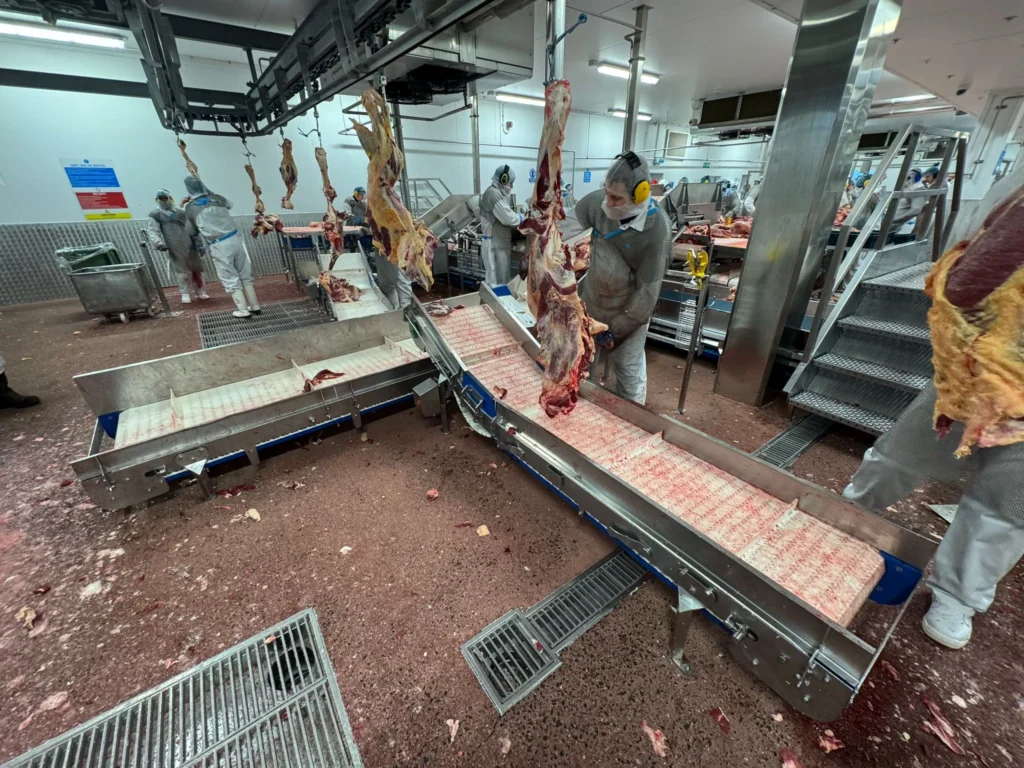
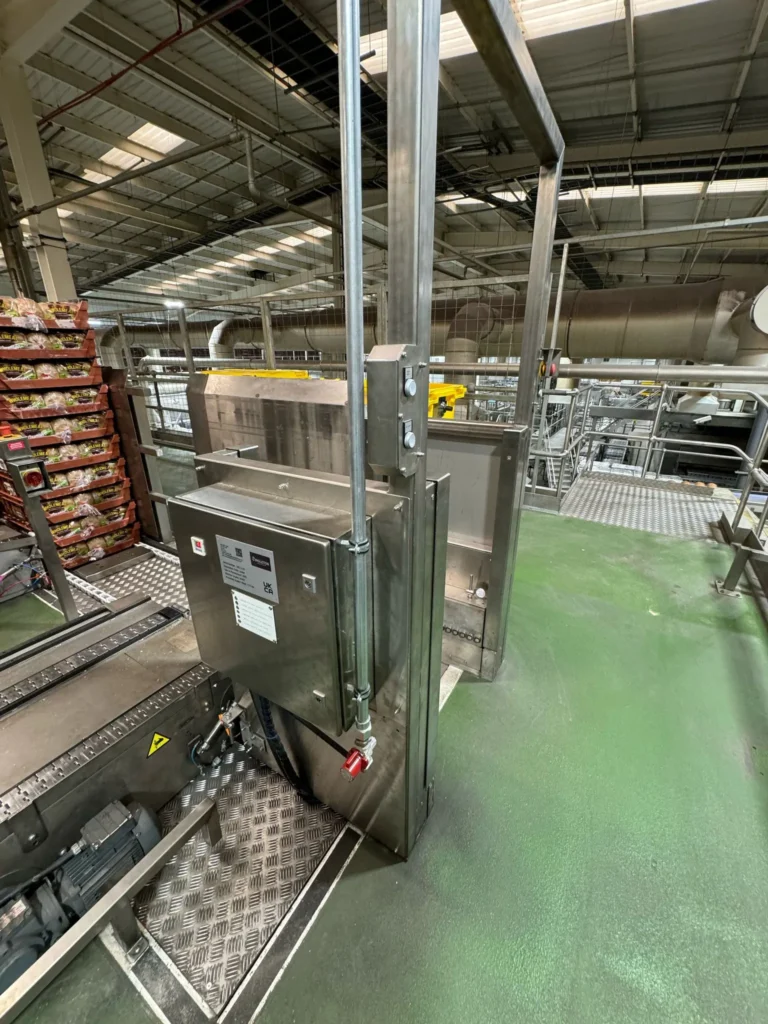
We manufacture tailored equipment to support every stage of food production, from oven unloaders and tin cleaners to stainless steel blowers and bespoke conveyors. Each machine is built with durability, washdown compliance and efficiency in mind.
When your facility is running around the clock, reliability matters. That’s why our engineering work is always geared towards long-term performance with minimal disruption. We’re used to operating during short maintenance windows or planned shutdowns, delivering solutions that integrate smoothly into your production flow.
Our team provides both reactive support and planned inspection services. Whether you’re looking to extend the life of existing assets or reduce your reliance on emergency callouts, we’ll help you take control of your equipment strategy.
We’ve recently worked with a nationally recognised bakery brand to implement a full preventative maintenance plan across their provers, coolers and ovens. The result? Fewer breakdowns, more predictable servicing and lower annual repair costs.
With trained engineers who understand the intricacies of temperature control, moisture, debris build-up and fast-moving equipment, you can trust us to catch the small issues before they become production-stopping failures.
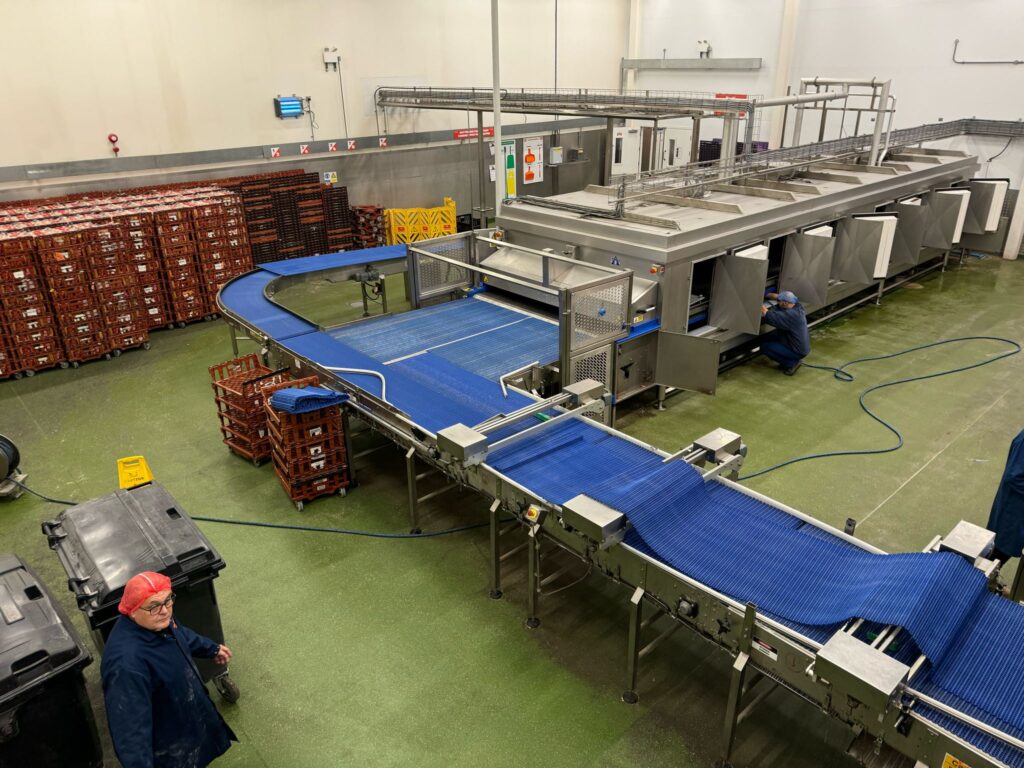

From the moment we arrive on site, our team works to food-industry standards. We bring dedicated food-safe toolboxes, wear correct PPE and carry out every job with cleanliness and cross-contamination prevention in mind.
We’re not just fabrication experts, we’re specialists in engineering for food environments. That means every weld, every bracket and every panel is designed for easy cleaning, safe handling and reliable use.
We also support manufacturers with shift cover during staff shortages, providing skilled mechanical and electrical engineers who can step in, troubleshoot and keep things moving.
Yes, plant expansions are one of the more common projects we take on, fitting new food processing equipment alongside lines that are still running rather than shutting the whole site down. Expanding a food processing plant usually means matching new machinery to old pipework, power and drainage, so we survey the existing setup before designing anything new.
We keep disruption to a minimum by phasing installs around your production windows, so output doesn't stop while the new section goes in. If you're planning an expansion, send us the layout and we'll tell you what's realistic within your timeframe.
Yes, and we'd recommend it for anything beyond a straightforward replacement part. A site survey lets us measure access, check power and drainage, and confirm the exact conditions your food processing equipment will run in before any design work starts.
This avoids the common problem of a machine being built to spec on paper but not fitting the reality of a food production floor once it arrives. Surveys are generally free as part of the quoting process, so there's no cost to finding out what's realistic before you commit to anything.
Turnaround depends on the complexity of the build, but many food processing equipment orders move from design to installation within a few weeks once specs are confirmed. We work across a wide range of food processing methods, from baking and mixing to washdown-heavy meat and dairy lines, so we tailor each build to your process rather than offering a one-size-fits-all machine.
Understanding the different types of food processing helps us pick the right materials and finishes from the start. For fabrication work built to your exact line, our Fabrication & Manufacturing designs and welds every component in-house before it reaches your site.
Yes. We install and reconfigure machinery inside a live food processing plant without shutting the whole line down, working around shift patterns wherever we can. Many clients ask what is food processing really like from an engineering standpoint, and the honest answer is that no two plants run the same way, so our fitters adapt to each layout rather than forcing a fixed template.
Our work also supports wider food production goals, fitting new machinery alongside existing lines so everything runs as one connected system. If your plant needs mechanical work fitted around live production, our Mechanical Engineering plans installs to minimise downtime.
We wire and control a wide range of food processing lines, from PLC-driven mixing stations to automated packing cells. Different types of food processing call for different control setups, so we build panels and interfaces around the actual food processing methods used on your site rather than a generic control box.
Bakery, dairy and meat lines each run on their own logic, and getting the wiring right the first time is where our Electrical Support earns its keep, programming controls that talk to every machine without delay. Get in touch and we'll assess your current setup before quoting the electrical work needed.
We fabricate a wide range of food processing equipment that feeds directly into packaging lines, including conveyors, hoppers and guarding built to washdown standards. The types of food processing we handle differ by product, since a wet dairy line needs different sealing and drainage to a dry bakery line. Once product leaves the processing stage, our fabricated components are designed to hand off cleanly into packing without bottlenecks.
Packaging teams that rely on tight changeover times need equipment that survives daily washdowns without corroding or seizing up, which is exactly what we build for. Our Packaging & Distribution work picks up where processing ends, keeping product moving through to dispatch.
Yes, retrofits and replacements make up a good share of our work, since many sites prefer to upgrade one bottleneck rather than rebuild an entire line. We start by surveying your current food production setup, checking what can stay, what needs replacing and where the process is losing time.
t's a fair question to ask what is food processing going to look like once old machinery comes out, and usually the answer is fewer stoppages and easier cleaning once newer materials go in. Every food processing retrofit is designed to slot into your existing footprint, so you're not losing floor space to fit something new.
Yes. Planned and reactive maintenance on food processing equipment is a service we deliver often, since a single breakdown can stop an entire line. Every food processing plant we work with has its own risk points, from an ageing conveyor to a mixer running past its service interval.
To answer what food processing maintenance is really about, it comes down to catching wear before it causes downtime rather than fixing machines after they fail. If your equipment needs regular checks built around your production calendar, our Maintenance & Inspection schedules visits that fit around your line, not the other way round.
We offer emergency callout cover for exactly this reason, since a breakdown on a food production line rarely happens at a convenient time. Engineers carry food-safe toolkits and the right PPE as standard, so there's no delay getting on site once we're called.
Getting food processing equipment back online fast matters more than doing the tidiest repair first, so our priority on an emergency visit is stopping the line loss, with a proper fix booked in once things are stable. If your site runs shifts around the clock, we can talk through a support contract that includes out-of-hours cover.
Plenty of sites run food processing lines next to general parts of the operation, packing, palletising or component assembly that doesn't need the same hygiene controls. The types of food processing areas we cover range from wet washdown zones to dry storage and dispatch, so our teams move between different standards without missing a step.
Different food processing methods often share power, structure and access with the non-food side of a food processing plant, which is where a joined-up approach saves time and cost. For sites where food and general work sit under one roof, our General Manufacturing keeps both sides running without handing off between separate contractors.
Singleton Engineering Solutions design, fabricate, install, and maintain bespoke machinery, steelwork and engineered systems for manufacturers, food producers, and industrial firms across the UK.
Copyright © 2025 Singleton Engineering Solutions.
Site managed by Rank Kings